
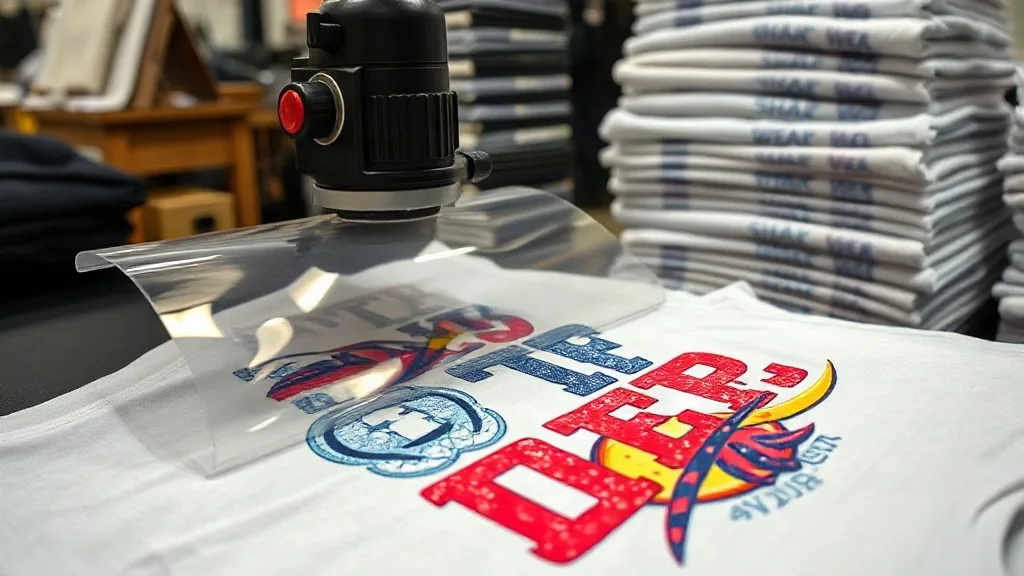
Custom apparel has always been about expression, but the methods have evolved dramatically. If you've been in the printing game for a while, you remember the days of cutting vinyl by hand or wrestling with screens and plastisol. Those methods still have their place, but there's a new kid on the block that's turning heads: dtf transfers. This technology is not just a fad; it's a practical solution that solves many of the headaches traditional printing methods bring. In this article, we'll explore why DTF transfers are gaining traction, especially when used with quality blanks like shaka wear, and how you can leverage them to produce stunning, durable apparel.
What Are DTF Transfers, Anyway?
DTF stands for Direct-to-Film. The process involves printing your design onto a special film using water-based inks, then applying a powder adhesive while the ink is still wet. Once the powder is shaken off and the film is cured, you have a transfer ready to be heat-pressed onto a garment. The magic happens when you peel the film away: the design adheres to the fabric, creating a vibrant, soft, and stretchable print. Unlike DTG (Direct-to-Garment), which prints directly onto the fabric, dtf transfers can be used on a wide range of materials, including cotton, polyester, blends, and even nylon. This versatility is a game-changer for printers who work with diverse fabrics.
The Step-by-Step DTF Process
Understanding the process helps you appreciate the results. Here's a quick rundown:
- Design Preparation: Your artwork is prepared digitally, ensuring colors are vibrant and details are sharp.
- Printing: The design is printed onto a PET film using specialized DTF inks.
- Powdering: While the ink is wet, a hot-melt adhesive powder is applied evenly over the design.
- Curing: The film is heated to melt the powder, creating a bond that will later adhere to the fabric.
- Heat Pressing: The transfer is placed on the garment and pressed with a heat press at a specific temperature and pressure.
- Peeling: Once cooled, the film is peeled away, leaving the design embedded in the fabric.
Each step requires attention to detail, but once you dial in your settings, the process is smooth and repeatable.
Why Pair DTF Transfers with Shaka Wear?
Not all blanks are created equal. shaka wear has earned a reputation for quality, offering a range of garments that are soft, durable, and consistent in sizing. When you combine high-quality blanks with a printing method that delivers vibrant, long-lasting results, you get a product that customers love. Shaka Wear's tees, hoodies, and tank tops are made from premium fabrics that hold up well to the heat press and maintain their shape after multiple washes. The smooth surface of their cotton and cotton-blend fabrics provides an ideal canvas for dtf transfers, ensuring that the design adheres evenly and resists cracking or fading.
Durability That Withstands the Test of Time
One of the biggest concerns with any garment decoration is longevity. Will the design peel after a few washes? Will it crack? With DTF transfers on Shaka Wear blanks, the answer is a resounding no. The adhesive powder creates a strong bond with the fabric fibers, and when applied correctly, the print remains intact wash after wash. In fact, many printers report that DTF transfers outlast vinyl and even some screen prints in terms of durability. Shaka Wear's fabric quality complements this, as their garments are pre-shrunk and treated to minimize shrinkage, so your finished product maintains its fit and appearance.
Vibrancy and Detail Retention
DTF transfers excel at reproducing intricate details and vibrant colors. Whether you're printing a complex photograph, a gradient, or fine lines, the results are crisp and true to the original design. Shaka Wear's light-colored garments provide a perfect backdrop for these vibrant prints, while their dark options allow for bold, contrasting designs. The combination ensures that your artwork pops, catching the eye and leaving a lasting impression.
Practical Tips for Using DTF Transfers with Shaka Wear
To get the best results, follow these practical tips:
- Pre-press the garment: Before applying the transfer, give the garment a quick press to remove moisture and wrinkles. This ensures a smooth surface for adhesion.
- Use the right settings: Each heat press is different, so experiment with temperature, pressure, and time. A common starting point is 325°F (160°C) for 10-15 seconds with medium pressure.
- Peel technique: DTF transfers can be peeled hot or cold, but cold peel often yields a smoother finish. Wait a few seconds after pressing before peeling.
- Post-press: After peeling, a second press for 5 seconds with a Teflon sheet protects the design and enhances durability.
- Storage: Store unused transfers in a cool, dry place away from direct sunlight to prevent the adhesive from degrading.
These tips will help you avoid common pitfalls and produce professional-quality apparel every time.
Common Mistakes to Avoid
Even experienced printers can slip up. Here are some mistakes to watch out for:
- Insufficient pressure: Too little pressure prevents the transfer from fully adhering, leading to premature peeling.
- Over-pressing: Too much heat or time can cause the adhesive to bleed or the design to distort.
- Ignoring fabric type: While DTF works on many fabrics, some require adjusted settings. Always test on a scrap piece first.
- Poor powder application: Uneven powdering leads to patchy adhesion. Ensure the powder is applied evenly and shaken off thoroughly.
By being mindful of these issues, you'll save time and materials.
DTF vs. Other Printing Methods: A Quick Comparison
How does DTF stack up against screen printing and DTG?
- Screen Printing: Great for high-volume, simple designs, but setup costs are high and color changes are time-consuming. DTF is more cost-effective for small batches and complex designs.
- DTG: Excellent for detailed prints on cotton, but limited on dark fabrics and blends. DTF handles both with ease.
- Vinyl: Good for simple text and shapes, but not for intricate designs. DTF offers more flexibility and a softer feel.
DTF transfers offer a sweet spot: no minimums, vibrant colors, and compatibility with almost any fabric. When paired with Shaka Wear, you're setting yourself up for success.
Frequently Asked Questions
Can I use DTF transfers on Shaka Wear's 100% cotton t-shirts?
Absolutely. DTF transfers work beautifully on 100% cotton. In fact, cotton is one of the most forgiving fabrics for DTF. Just ensure you pre-press the shirt to remove wrinkles and moisture, and use the recommended heat press settings.
How do I wash a garment with a DTF transfer to make it last longer?
Turn the garment inside out and machine wash cold. Avoid using bleach or fabric softeners, and tumble dry on low. Following these care instructions will help maintain the vibrancy and adhesion of the transfer.
What's the difference between DTF and DTG printing?
DTG prints directly onto the fabric, while DTF prints onto a film that is then transferred. DTF can be used on more fabric types, including polyester and blends, and often produces more vibrant colors on dark garments. DTG is limited to cotton-rich fabrics.
Do I need a special heat press for DTF transfers?
A standard heat press works fine for DTF transfers. You'll need to be able to control temperature, pressure, and time accurately. Some printers prefer a press with a digital controller for precision, but it's not mandatory.
How long do DTF transfers last on Shaka Wear garments?
With proper application and care, DTF transfers can last as long as the garment itself. Many users report no fading or peeling after 50+ washes. The key is to follow the correct pressing parameters and washing instructions.
DTF transfers are more than a trend; they're a reliable, versatile tool for anyone in the custom apparel business. When combined with the quality of Shaka Wear blanks, you can deliver products that impress customers and stand the test of time. Whether you're a small shop or a growing brand, embracing DTF technology could be the edge you need.