
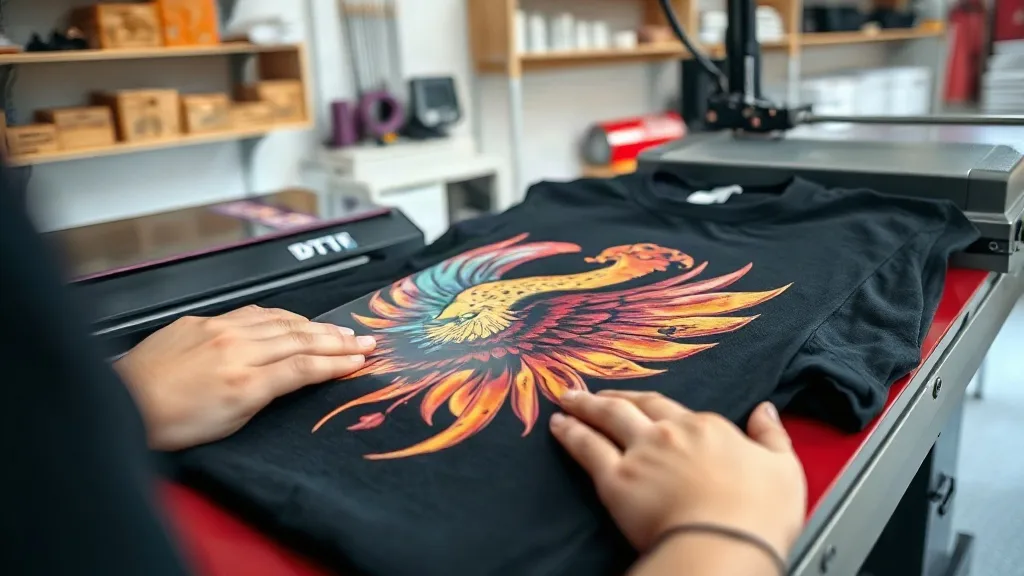
Imagine pressing a design onto a cotton t-shirt, a polyester hoodie, or even a canvas tote, and watching it come out with razor-sharp details and colors that pop like never before. That's the magic of dtf transfers, a game-changing technology that's quickly becoming the go-to method for custom apparel printing. Whether you're a DIY enthusiast, a small business owner, or a professional printer, understanding DTF can open up a world of possibilities for your creative projects.
In this guide, we'll walk you through everything you need to know about DTF printing: what it is, how it works, why it's better than other methods, and how you can get started. By the end, you'll be ready to dive into the exciting world of DTF and create stunning, durable prints on almost any fabric.
What Are DTF Transfers?
DTF stands for Direct-to-Film. It's a printing technique where your design is printed onto a special film, coated with a heat-activated adhesive powder, and then transferred onto fabric using a heat press. Unlike DTG (Direct-to-Garment) printing, which prints directly onto the fabric, DTF uses an intermediate film, allowing for greater versatility and vibrant results on a wide range of materials.
The process involves several key steps:
- Design Preparation: Your artwork is prepared digitally, ensuring it's mirrored and properly sized.
- Printing: The design is printed onto a PET film using specialized DTF inks (often pigment-based).
- Powder Application: While the ink is still wet, a thermoplastic adhesive powder is applied evenly over the design.
- Curing: The powder is melted using heat, typically with a heat gun or in an oven, to activate the adhesive.
- Transfer: The film is placed on the fabric and pressed with a heat press, transferring the design permanently.
The result? A soft, stretchable, and durable print that feels like part of the fabric.
Why Choose DTF Transfers?
DTF has exploded in popularity for good reason. Here are some standout benefits that make it a superior choice for many applications:
1. Works on Almost Any Fabric
One of the biggest advantages of dtf is its compatibility with a vast range of materials. Whether you're working with cotton, polyester, blends, nylon, leather, or even treated wood, DTF adheres beautifully. This versatility means you're not limited to just 100% cotton like with some other printing methods.
2. Vibrant, High-Detail Prints
DTF printers use high-quality pigments that produce bright, saturated colors. The technology also allows for fine lines and small text to be reproduced with incredible accuracy. If your design includes gradients, photographs, or intricate patterns, DTF will capture every nuance.
3. Soft and Flexible
Unlike vinyl transfers that can feel stiff and plastic-like, DTF prints are thin and flexible. They stretch with the fabric, making them ideal for activewear and garments that need to move with the body. The print also has a soft hand feel, so it doesn't detract from the comfort of the garment.
4. Durable and Long-Lasting
When applied correctly, DTF transfers are highly durable. They resist cracking, peeling, and fading even after multiple washes. This longevity makes them perfect for items that will see heavy use, like work uniforms, sports jerseys, and promotional apparel.
5. Cost-Effective for Small Runs
DTF eliminates the need for expensive screens or plates, making it cost-effective for short runs and one-off designs. You can print a single shirt or a hundred without breaking the bank. This makes it an excellent option for small businesses, event merch, and personalized gifts.
DTF vs. Other Printing Methods
How does DTF stack up against the competition? Let's compare it to some common printing techniques:
- DTG (Direct-to-Garment): DTG works best on 100% cotton and often requires pre-treatment. DTF works on more fabrics and typically produces more vibrant colors on dark garments.
- Screen Printing: Screen printing is cost-effective for large orders but requires setup and is limited to simpler designs. DTF excels at detailed, multi-color designs and small batches.
- Vinyl (HTV): Vinyl is great for simple shapes and text but can't handle complex images. DTF handles full-color photographs and gradients with ease.
- Sublimation: Sublimation only works on polyester and requires light-colored fabrics. DTF works on dark colors and a wider range of materials.
As you can see, DTF offers a unique combination of versatility, quality, and cost-efficiency that makes it a top choice for many projects.
How to Apply DTF Transfers: Step-by-Step
Applying DTF transfers is straightforward, but following the correct steps ensures a professional, long-lasting result. Here's what you need to do:
What You'll Need:
- DTF transfer film with your design
- Heat press (or iron with heat press attachment)
- Heat-resistant tape (optional)
- Parchment paper or Teflon sheet
- Lint roller
Step 1: Prepare Your Fabric
Preheat your heat press to the temperature recommended for your fabric (usually around 300-340°F or 150-170°C). While it's heating, use a lint roller to remove any dust or fibers from the garment. This ensures the transfer adheres properly.
Step 2: Position the Transfer
Place the DTF film onto the fabric with the design facing up. If your film has a sticky backing, you can tack it down with heat-resistant tape to prevent shifting.
Step 3: Press
Cover the transfer with parchment paper or a Teflon sheet. Press with medium pressure for about 10-15 seconds. The exact time and temperature may vary depending on your press and film, so always check the manufacturer's instructions.
Step 4: Peel
After pressing, allow the transfer to cool completely before peeling off the film. Peeling while hot can cause the design to distort or peel incorrectly. Once cool, peel the film off in a smooth, steady motion.
Step 5: Post-Press (Optional)
For added durability, you can cover the design with parchment paper and press again for another 5-10 seconds. This helps the adhesive fully bond with the fabric.
And that's it! You've successfully applied a DTF transfer.
Where to Find DTF Transfers Near You
If you're eager to try DTF but don't want to invest in a printer and supplies, you can order custom transfers from professional services. When searching for dtf transfers near me, look for providers that offer high-resolution printing, fast turnaround, and good customer reviews. Many online services allow you to upload your design and receive ready-to-press transfers in just a few days.
For those in the US, Harwin DTF is a trusted source for premium DTF transfers. They offer vibrant prints on high-quality film and provide excellent support to help you get the best results.
Common Mistakes to Avoid with DTF Transfers
Even though DTF is user-friendly, some pitfalls can affect the outcome. Here are a few things to watch out for:
- Insufficient Pressure: Without enough pressure, the transfer won't adhere properly. Make sure your heat press is calibrated.
- Pressing on a Seam: Avoid placing the design over seams or zippers, as the uneven surface can prevent proper adhesion.
- Not Pre-Pressing the Garment: Always pre-press the fabric to remove moisture and wrinkles. This step is crucial for a smooth finish.
- Peeling Too Soon: Patience is key. Let the transfer cool completely before peeling.
Frequently Asked Questions About DTF Transfers
How long do DTF transfers last?
With proper application and care, DTF transfers can last as long as the garment itself. They are resistant to cracking, peeling, and fading, even after repeated washing. To maximize longevity, wash the garment inside out in cold water and avoid using bleach or fabric softener.
Can I use DTF transfers on dark colors?
Absolutely! DTF transfers are especially effective on dark fabrics because they include a white ink layer that makes colors pop. Unlike some other methods, you don't need to pre-treat the fabric or use special techniques for dark garments.
What fabrics work best with DTF?
DTF works on a wide range of fabrics, including cotton, polyester, blends, nylon, and even leather. It's not recommended for fabrics with a heavy texture or coatings that might prevent adhesion. Always test on a small area first.
Do I need a special printer for DTF?
Yes, DTF printing requires a dedicated DTF printer and specialized inks and film. However, if you're not ready to invest in a printer, you can order custom DTF transfers from professional services and apply them with a standard heat press.
How do I store DTF transfers?
Store unused DTF transfers in a cool, dry place away from direct sunlight. Keep them flat to prevent creasing. Properly stored transfers can last for several months.
Final Thoughts
DTF transfers are a versatile, high-quality, and cost-effective solution for custom apparel printing. Whether you're a hobbyist or a professional, adding DTF to your toolkit can elevate your creations and impress your customers. With the right supplies and a bit of practice, you'll be producing stunning, durable prints in no time.
So why wait? Explore the world of dtf transfers today and unleash your creativity on any fabric you can imagine.