
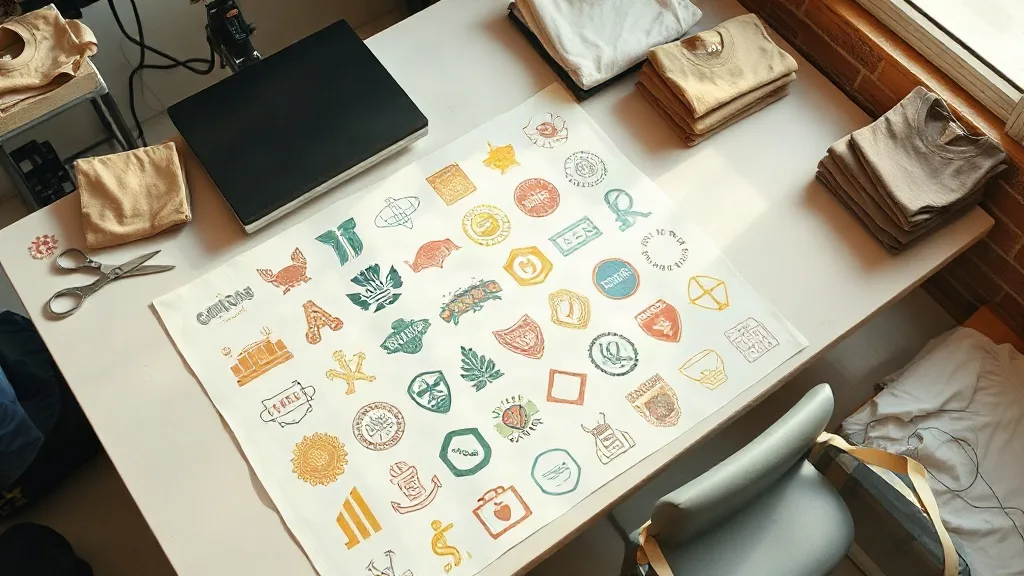
If you have ever priced out a small batch of custom shirts, you know the math gets ugly fast. Setup fees, minimum quantities, and per-piece charges pile up until a twelve-shirt order costs almost as much as a hundred. That is exactly the problem a DTF Gangsheet solves, and it is why so many small print shops and side-hustle sellers have quietly rebuilt their workflow around it. Instead of paying for each design as a separate job, you combine multiple designs onto one sheet of film, print it once, and cut the transfers apart yourself. The savings are real, but the details matter more than most tutorials admit.
This guide walks through what gangsheets actually are, how to prepare artwork that prints cleanly, and the small decisions that separate a profitable run from a pile of wasted film. No hype, just the parts that trip people up.
What a DTF Gangsheet Actually Is
Direct-to-film printing works by printing your artwork onto a special film, dusting it with adhesive powder while the ink is still wet, and curing it. The result is a transfer you can press onto cotton, polyester, blends, and even some nylon and canvas items. A gangsheet is simply a larger film sheet that holds several designs at once, arranged to use the space efficiently.
The term comes from the old screen printing world, where a gang sheet was a single screen holding multiple images. DTF borrowed the idea because film is sold by the running foot or by the sheet, and empty space on that film is money you already spent. Filling it with additional designs costs you almost nothing extra in materials.
Why the Format Matters for Small Sellers
A single 22 by 24 inch gangsheet can hold a surprising number of small designs. Six to ten pocket logos, a handful of chest prints, or a mix of sizes for a family reunion order can all share one sheet. When you divide the sheet cost by the number of transfers you get, the per-piece price often drops into the low dollar range, sometimes lower depending on the provider and the ink coverage of your designs.
That math changes how you price your work. A seller who pays two dollars per transfer has room to offer competitive pricing on small orders that a shop paying five dollars per transfer simply cannot match.
Preparing Artwork That Prints Cleanly
Most gangsheet problems start in the design file, not the printer. A few habits will save you from reprints.
Build Your Sheet at Final Print Size
Set up your canvas at the exact dimensions of the film you are ordering, and place each design at the size it will actually be pressed. Do not scale designs up later to fill gaps, because raster artwork softens when enlarged. If you need a ten inch wide chest print, build it at ten inches.
Leave Breathing Room Between Designs
Transfers need a margin so you can trim them without cutting into the print. A quarter inch of clear space on every side is a safe baseline. Tight clusters look efficient on screen but become a nightmare when you are standing over a cutting mat at midnight.
Mind the Ink Load
Large solid areas of white or heavy color coverage use more ink and can feel stiffer on the garment. For big blocks of white, consider knocking out small details or using halftones where appropriate. Lightweight designs also cut faster and press more cleanly around collars and seams.
Use Transparent Backgrounds Correctly
Export as PNG with a transparent background, and check that no stray white box is hiding behind your artwork. A background that looks invisible in your design software will print as a solid rectangle of white ink. Zoom in at 200 percent and inspect the edges before you send the file.
Ordering Versus Printing In-House
There are two paths, and the right one depends on your volume and how much control you want.
- Ordering from a service: You upload a prepared sheet, they print and powder it, and it arrives ready to press. Startup cost is near zero, and you can test designs without buying equipment.
- Printing in-house: A DTF printer, shaker, and oven represent a real investment, plus ink, film, powder, and maintenance. It pays off once your monthly transfer volume is high enough that the equipment cost is clearly lower than per-sheet pricing.
A reasonable middle ground is to order gangsheets for customer-facing work while keeping a small in-house setup for samples and rush jobs. That way you never miss a deadline because a shipment is late, and you still avoid paying premium rates for every single test print.
Pressing Tips That Protect Your Investment
You can print a perfect sheet and still ruin it at the heat press. A few settings make a noticeable difference.
- Pre-press the garment for a few seconds to remove moisture. Damp fabric is the most common cause of transfers peeling at the corners.
- Press the transfer with firm, even pressure. Light pressure leaves the adhesive powder undercured against the fibers.
- Peel according to the film type. Cold peel films need to cool completely, while hot peel films come off while still warm. Mixing these up causes stretched or torn prints.
- Do a second press with a cover sheet after peeling. Ten seconds under a Teflon sheet locks the print in and improves wash durability.
Wash testing matters too. Press one transfer onto a scrap of your most common garment and run it through five or six wash cycles before you commit to a large order. Different fabric blends behave differently, and a quick test beats a customer complaint.
Where Gangsheets Fit in a Real Business
Gangsheets shine in three situations. First, small mixed orders where a customer wants a few shirts in several sizes or several designs. Second, sample packs, where you want to show clients a range of options without committing to inventory. Third, event and team orders, where you can nest dozens of names or numbers onto a few sheets and press them on demand instead of storing finished shirts.
They are less ideal for very large uniform runs, where screen printing or bulk DTF rolls usually win on price. Knowing which tool fits which job is the difference between a healthy margin and a frustrating week.
Common Questions About DTF Gangsheets
How many designs can I fit on one gangsheet?
It depends entirely on the size of each design and the sheet dimensions. A sheet packed with two inch pocket logos can hold dozens, while three large back prints may fill the same sheet on their own. Plan your layout in your design software at final size and count what fits before ordering.
Do gangsheets work on dark and light shirts?
Yes. DTF printing lays down a white ink base under the color, so the same transfer works on black, white, and everything between. You do not need separate versions for different garment colors, which is one of the format's biggest practical advantages.
How long can I store unused transfers?
Stored flat in a cool, dry place away from direct sunlight, printed transfers typically stay usable for several months. Humidity is the main enemy, so keep them sealed in a bag with a desiccant packet if you live somewhere damp. Always do a small test press after long storage.
What file format should I upload?
Most providers accept PNG files with transparent backgrounds at 300 DPI at final print size. Some also take PDF or TIFF. Check the provider's specifications before exporting, since a mismatch in resolution or color mode is the fastest way to get a soft or off-color print.
Is a gangsheet cheaper than ordering single transfers?
Usually, yes, because you are paying for film area rather than per design. The savings grow as you fill the sheet more completely. A half-empty sheet offers little advantage, so take the time to plan a layout that uses the space well.