
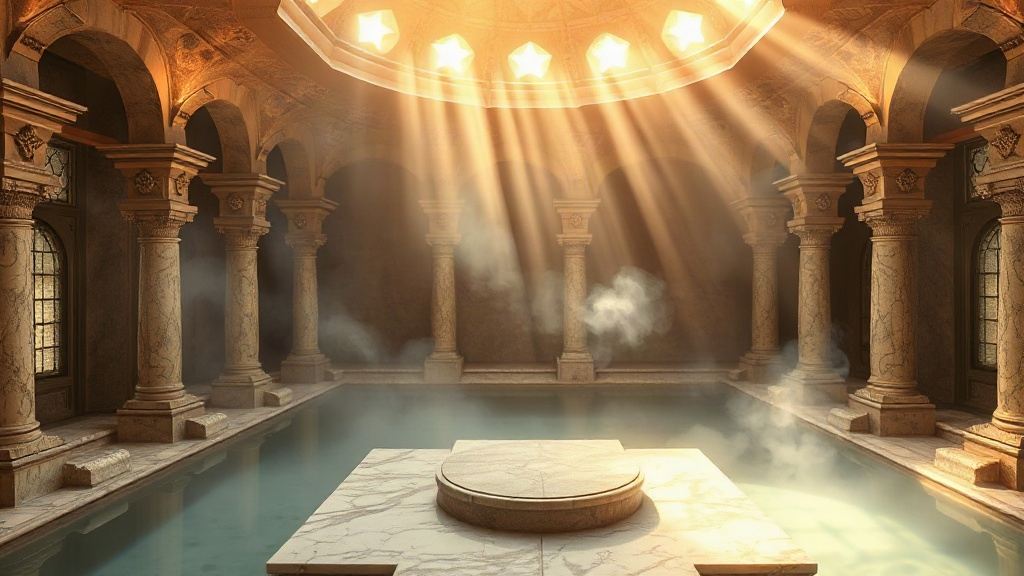
There is a special kind of silence inside a turkish bath, a silence that wraps around you like warm steam. It is the kind of quiet that makes you forget the outside world, if only for an hour. I still remember my first visit to a hammam in Istanbul. The marble was cool under my feet, the air thick with eucalyptus, and the light filtered down from star-shaped holes in the dome above. It felt less like a spa and more like stepping into a piece of living history. If you have ever searched for a turkish bath near me, you probably already feel that pull. Maybe you are tired, stressed, or simply curious about a tradition that has been soothing bodies for centuries. Whatever brought you here, this guide will walk you through everything you need to know before you go.
What Exactly Is a Turkish Bath?
A Turkish bath, also known as a hammam, is far more than a place to get clean. It is a ritual of heat, water, and touch, rooted in ancient Roman and Byzantine bathing culture and refined by the Ottomans into an art form. The traditional hammam experience typically follows a sequence: you warm your body in a hot room, sweat on a heated marble platform, receive a vigorous scrub with a coarse mitt called a kese, and then enjoy a soothing foam massage. The process is designed to relax muscles, open pores, and exfoliate dead skin, leaving you feeling renewed from head to toe.
Modern spas have adapted the hammam for contemporary audiences, often incorporating aromatherapy, clay masks, and essential oils. But the heart of the experience remains the same: a communal, cleansing ritual that prioritizes both physical and mental well-being. If you are looking for a turkish bath near me, you might find a traditional, gender-separated bathhouse or a luxurious spa version. Both offer a unique escape from daily stress.
Why You Should Try a Turkish Bath
The benefits of a Turkish bath extend far beyond relaxation. Regular hammam visits can improve your skin, boost circulation, and even support respiratory health. The combination of heat and steam helps open airways, making it easier to breathe, especially if you suffer from allergies or mild congestion. The exfoliation removes layers of dead skin, unclogging pores and promoting cell renewal. Many people also find that the deep warmth eases muscle tension and joint pain. On a mental level, the quiet, dimly lit environment encourages mindfulness and reduces anxiety. It is no wonder that the hammam has remained popular for over a thousand years.
How to Find the Best Turkish Bath Near You
Searching for a turkish bath near me can feel overwhelming, especially if you live in a city with dozens of options. The key is to know what you are looking for. Do you want an authentic, no-frills experience or a high-end spa treatment? Are you comfortable with gender-separated facilities, or do you prefer a co-ed environment? Here are some practical steps to narrow down your search.
Check Online Reviews and Photos
Before you book, spend some time reading reviews on Google, Yelp, or TripAdvisor. Look for comments about cleanliness, professionalism of the staff, and the overall atmosphere. Photos can tell you a lot about the facility. Is the marble well-maintained? Are the steam rooms spacious? A picture is worth a thousand words, especially when it comes to hygiene and ambiance.
Ask About the Ritual
Not all Turkish baths offer the full traditional ritual. Some may only provide a steam room and a self-service scrub, while others include a full-body foam massage performed by an attendant. If you want the authentic experience, call ahead and ask exactly what is included. A good hammam will be happy to explain their process. If they seem vague or rushed, consider looking elsewhere.
Consider the Location and Ambiance
The setting can make or break your experience. A true hammam should feel like a retreat, not a crowded gym locker room. Look for places that emphasize tranquility, with soft lighting, soothing music, and an unhurried pace. If you are planning a special occasion, such as a birthday or anniversary, you might want to splurge on a more luxurious venue. On the other hand, if you are simply curious, a smaller neighborhood bathhouse can be a wonderful, affordable introduction.
What to Expect During Your First Visit
Walking into a Turkish bath for the first time can be intimidating, especially if you are not used to communal bathing. But knowing what to expect can ease your nerves. Here is a step-by-step breakdown of a typical hammam session.
Arrival and Preparation
When you arrive, you will usually be given a locker key, a towel, and a pair of wooden clogs or plastic slippers. You will undress in a changing room, keeping on your underwear or a swimsuit if you prefer. In traditional baths, men and women use separate facilities, so nudity is often accepted but not required. Many modern spas provide disposable underwear for hygiene. You will then wrap yourself in a thin cotton towel called a pestemal and proceed to the warm room.
The Warm Room and Steam
The first stop is the warm room, where your body begins to acclimate to the heat. The temperature here is usually between 30 and 40 degrees Celsius. You might sit or lie on a marble bench, allowing your muscles to relax and your pores to open. After about 10 to 15 minutes, you will move to the hot room, which can reach 50 degrees Celsius or more. This is where the real sweating begins. The steam is thick, and the air smells faintly of eucalyptus or mint. Stay as long as you feel comfortable, but listen to your body. If you feel dizzy or lightheaded, step out for some fresh air.
The Scrub and Foam Massage
Once you are thoroughly warmed, an attendant will guide you to the central marble platform, known as the gobek tasi. You will lie down on the warm stone, and the attendant will begin the kese scrub. Using a coarse mitt, they will vigorously rub your entire body, removing layers of dead skin. It might feel intense at first, but most people find it invigorating. You will be amazed at how much skin comes off. After the scrub, you will be rinsed with warm water, and then the foam massage begins. The attendant will fill a large cotton bag with soapy water, creating mountains of soft, fluffy foam. They will pour the foam over your body and massage your muscles with long, firm strokes. This is often the most relaxing part of the experience.
Rinsing and Resting
After the massage, you will be rinsed again with cool or lukewarm water. Then you can relax in a cooler room, sip some Turkish tea, and let your body return to its normal temperature. Many people feel lightheaded or sleepy after a hammam session, so it is important to rest and hydrate. Drink plenty of water and avoid rushing back into your daily routine.
Traditional vs. Modern Turkish Baths
Not all hammams are created equal. Understanding the difference between a traditional bathhouse and a modern spa can help you choose the right experience for your needs.
Traditional Hammam
A traditional hammam is a historic or purpose-built bathhouse that follows the ancient Ottoman design. The rooms are made of marble, with domed ceilings and small windows that let in slivers of light. The atmosphere is communal and often social. Men and women bathe separately, and the focus is on the ritual itself rather than luxury. You might find these in older neighborhoods or in countries with strong Turkish or Middle Eastern influences. The experience is authentic, and the prices are usually very reasonable. However, the facilities may be more basic, and the attendants may not speak much English.
Modern Spa Hammam
Modern spas have adapted the hammam for a more luxurious clientele. These facilities often feature sleek, contemporary design, with private treatment rooms and a wider range of services. You might find hammam rituals that include clay masks, hair treatments, or aromatherapy. The atmosphere is more intimate, and the attendants are usually trained in both traditional and modern techniques. The downside is the price, which can be significantly higher than a traditional bathhouse. But if you are looking for a pampering experience, a modern spa hammam can be worth the splurge.
Health and Safety Considerations
While a Turkish bath is generally safe for most people, there are a few things to keep in mind. The high heat and humidity can be taxing on the cardiovascular system, so if you have heart problems, high blood pressure, or are pregnant, you should consult your doctor before visiting. It is also important to stay hydrated before, during, and after your session. Avoid alcohol and heavy meals beforehand. If you feel unwell at any point, do not hesitate to leave the hot room and rest. And always listen to your body. The hammam should be a relaxing experience, not an endurance test.
Frequently Asked Questions
What should I wear to a Turkish bath?
Most people wear a swimsuit or underwear during the session. In traditional gender-separated baths, nudity is common but not required. You will be given a pestemal, a thin cotton towel, to wrap around yourself. Some modern spas provide disposable underwear. The key is to wear something you feel comfortable in.
How long does a Turkish bath session last?
A typical hammam session lasts between 45 minutes and 2 hours, depending on the package you choose. The heat and steam portion usually takes 20 to 30 minutes, while the scrub and massage can take another 20 to 30 minutes. Add time for resting and changing, and you should plan to spend at least an hour and a half at the facility.
Can I go to a Turkish bath if I have sensitive skin?
Yes, but you should inform the attendant beforehand. The kese scrub can be adjusted to be gentler for sensitive skin. You might also want to skip the exfoliation altogether and just enjoy the steam and foam massage. Always patch test any products used, and moisturize well after your session.
Is a Turkish bath suitable for couples?
Many modern spas offer private hammam rooms for couples, where you can enjoy the ritual together. Traditional bathhouses are usually gender-separated, so couples would bathe in separate areas. If you are looking for a romantic experience, look for a spa that specifically advertises couple's hammam packages.
How often should I visit a Turkish bath?
There is no set rule, but many people enjoy a hammam visit once a month as part of their wellness routine. If you have dry skin, you might benefit from more frequent exfoliation. However, over-exfoliating can irritate the skin, so it is best to listen to your body and space out your visits accordingly.