
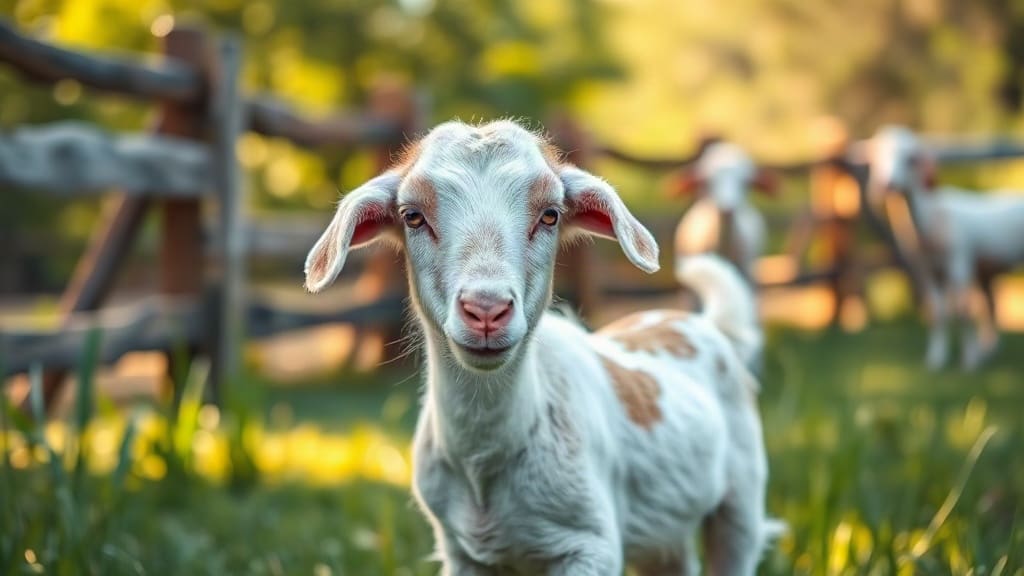
When you think of rabies, you probably picture a snarling raccoon or a bat swooping out of the night. You almost certainly don't picture a baby goat at a petting zoo. But that's exactly the scenario unfolding in North Carolina, where state health officials have confirmed that baby goats from a traveling petting zoo tested positive for rabies. The news has sent a ripple of concern through communities that may have hosted the event, and it's a stark reminder that rabies can turn up in the most unexpected places.
The goats belonged to Farm Adventures of Harmony, a mobile petting zoo based in Harmony, North Carolina. The company travels to various events, bringing animals for children and adults to interact with. According to the North Carolina Department of Health and Human Services, the goats were tested after showing signs of illness, and the results came back positive for rabies. The timeline is critical: officials believe the goats may have been infectious since late July, meaning anyone who came into contact with them during that window could have been exposed.
What Happened and Why It Matters
Rabies is a viral disease that attacks the central nervous system. It is almost always fatal once symptoms appear, but it is entirely preventable if treated promptly after exposure. The virus is typically transmitted through the saliva of an infected animal, usually via a bite. However, contact with saliva on broken skin or mucous membranes can also pose a risk. That's why health officials are taking this case so seriously. Petting zoos encourage close contact, and children are especially likely to touch animals and then touch their faces or mouths.
The exact number of people potentially exposed is still unclear. The petting zoo likely operated at multiple locations over the summer, and tracking down every visitor is a challenge. Health officials are asking anyone who visited Farm Adventures of Harmony events since late July to contact their local health department or healthcare provider. The message is simple: if you touched a goat, especially a baby goat, or if you were licked or bitten, you need to be evaluated for post-exposure prophylaxis (PEP).
Rabies in Goats: Rare but Not Unheard Of
While rabies in goats is far less common than in wildlife like raccoons, skunks, and foxes, it does happen. Livestock can contract the virus from encounters with rabid wild animals. In North Carolina, raccoons are the primary reservoir for rabies, and a curious goat could easily be bitten while investigating a strange creature in its pen. Once infected, the incubation period can vary from weeks to months. During that time, the animal may not show any signs of illness, but it can still shed the virus in its saliva shortly before symptoms appear.
This case is a wake-up call for anyone who runs or visits petting zoos. Animals that seem healthy can still carry diseases. The fact that these were baby goats makes it even more concerning, because children are drawn to them and may be less careful about hygiene. Handwashing stations and hand sanitizer are common at petting zoos, but they are not always used consistently. And while rabies is not spread by casual contact like petting a dry, unbroken skin area, the risk increases when saliva is involved.
What Should You Do If You Visited?
If you or your child attended an event with Farm Adventures of Harmony after July 20, the first step is not to panic. Rabies exposure does not mean you will definitely get the disease. Post-exposure prophylaxis, which consists of a series of shots, is extremely effective when given before symptoms develop. The treatment is no longer the painful ordeal it once was; it involves a dose of rabies immune globulin and a series of vaccines over several weeks.
Here is what health officials recommend:
- Contact your healthcare provider or local health department immediately if you had direct contact with a goat from the petting zoo, especially if you were bitten, scratched, or had contact with the animal's saliva.
- If you are unsure whether you had contact, err on the side of caution and call your doctor. They can help assess your risk based on the type of interaction.
- Do not wait for symptoms to appear. Rabies is almost always fatal once symptoms start, but it is preventable with prompt treatment.
- If you still have the animal, do not approach it. Call animal control or public health authorities for guidance.
For those who simply visited the petting zoo but did not touch the goats, the risk is very low. Rabies is not airborne and does not spread through casual contact like being in the same area. However, if you touched surfaces that may have had saliva on them and then touched your mouth or eyes, there is a theoretical risk. That is why health officials are casting a wide net and asking everyone to be vigilant.
The Bigger Picture: Petting Zoo Safety
This incident highlights a broader issue with animal contact venues. Petting zoos are wonderful educational experiences, but they come with inherent risks. Beyond rabies, animals can carry E. coli, Salmonella, and other pathogens that can make people sick. Outbreaks linked to petting zoos happen more often than you might think. The key is to follow basic hygiene practices: wash hands thoroughly with soap and water after touching animals, avoid eating or drinking in animal areas, and supervise children closely.
But rabies is a different beast. Because it is almost always fatal without treatment, the stakes are much higher. This case should prompt petting zoo operators to review their animal health protocols. Were the goats vaccinated against rabies? Many livestock owners do vaccinate their animals, especially if they are used for public contact. However, vaccination is not 100% effective, and if a goat was exposed before vaccination, it could still develop the disease. The investigation will likely look into the animals' vaccination history and how they were housed.
What Happens Next?
State health officials are working with local health departments to identify and notify anyone who may have been exposed. They are also trying to determine the full scope of the petting zoo's travels. If you attended an event, you may be contacted directly. In the meantime, the public is being asked to share information about the case, especially in local community groups and social media, to help reach people who might not have heard.
For the owners of Farm Adventures of Harmony, this is undoubtedly a difficult time. They have cooperated with the investigation, and no one is suggesting any wrongdoing. Rabies in livestock can happen to even the most careful operations. The focus now is on preventing human cases.
This story is still developing, and we will update this article as more information becomes available. In the meantime, if you have any concerns about potential exposure, do not hesitate to reach out to your healthcare provider. Rabies is a serious disease, but with prompt action, it is entirely preventable.
Frequently Asked Questions
How do baby goats get rabies?
Baby goats can get rabies if they are bitten by a rabid wild animal, such as a raccoon, skunk, or fox. The virus is present in the saliva of infected animals and can enter the goat's body through a bite wound. Once inside, the virus travels along nerves to the brain, where it causes inflammation and eventually death.
Can you get rabies from petting a goat?
Rabies is not spread by simply petting an animal on dry, unbroken skin. The virus is transmitted through saliva, typically via a bite or scratch that breaks the skin, or if saliva comes into contact with mucous membranes like the eyes, nose, or mouth. If you petted a goat and then touched your face without washing your hands, there is a potential risk, but it is lower than a direct bite.
What are the symptoms of rabies in goats?
Rabies symptoms in goats can vary, but they often include changes in behavior such as aggression, depression, or paralysis. Infected goats may have difficulty swallowing, drool excessively, or make unusual sounds. Some may appear weak or uncoordinated. These signs typically appear within days to weeks after exposure, but the animal can shed virus in its saliva before showing symptoms.
How long after exposure do rabies symptoms appear in humans?
In humans, the incubation period for rabies can range from a few weeks to several years, but it is typically 1 to 3 months. The length depends on factors like the location and severity of the bite, the amount of virus introduced, and the person's immune response. Once symptoms appear, the disease is almost always fatal, which is why immediate medical evaluation after exposure is critical.
What should I do if I think I was exposed to a rabid goat?
If you think you were exposed to a rabid goat, wash the wound thoroughly with soap and water for at least 15 minutes, then seek medical attention immediately. Your healthcare provider will assess your risk and may recommend post-exposure prophylaxis, which includes a dose of rabies immune globulin and a series of rabies vaccines. This treatment is highly effective when started promptly.