
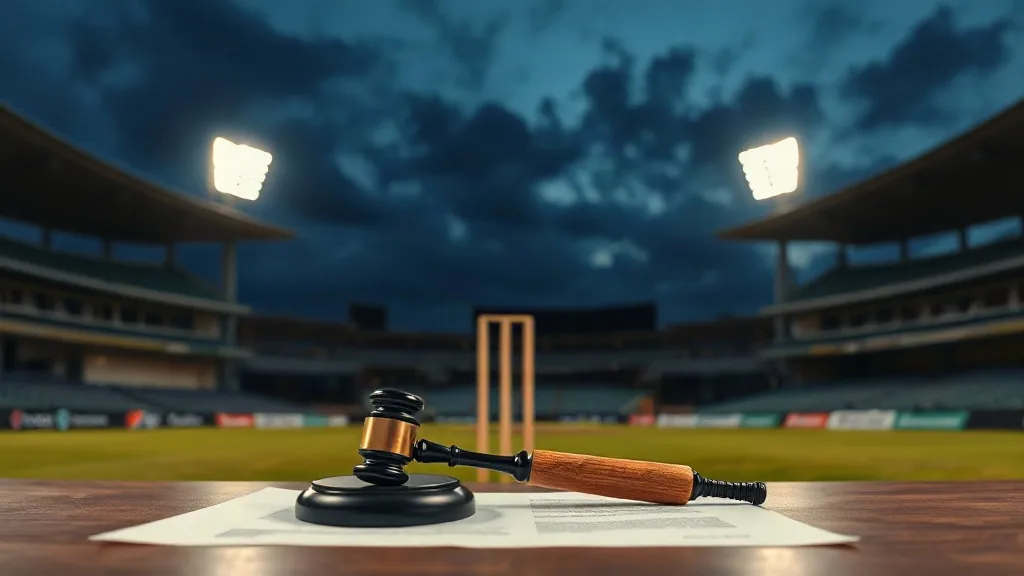
Former India opener Shikhar Dhawan has never been one to shy away from a fight on the cricket field. Now, he is taking one off it. In a statement on X, Dhawan said that an upcoming franchise T20 league had used his name without his knowledge or permission, and that his team would pursue appropriate legal action. The announcement caught fans and organizers off guard, shining a light on the often murky world of private cricket leagues and the rights of players whose names are used to promote events they have no connection with.
What Exactly Happened?
Dhawan's post was short but unambiguous. He denied any involvement with the league, urged media and fans to ignore unauthorized announcements, and made it clear that legal steps were already being considered. While he did not name the specific league in his initial statement, the message was clear: his identity was being used to lend credibility to an event he had nothing to do with. For a player of his stature, with a career spanning over a decade at the international level, such misuse is not just a minor annoyance. It is a direct threat to his brand and his professional integrity.
The timing of the announcement, just as the league was ramping up its promotional efforts, suggests that Dhawan and his team had been monitoring the situation. By speaking out publicly, he has effectively put the organizers on notice and warned fans not to be misled. The move also serves as a warning to other players who might find themselves in similar situations.
Why This Matters: Player Rights and Brand Protection
For professional cricketers, their name is their biggest asset. It is what draws sponsors, fills stadiums, and sells merchandise. When a league uses a player's name without permission, it is not just a legal violation; it is an attempt to piggyback on someone else's hard-earned reputation. Dhawan's decision to take legal action is a strong statement that players will not tolerate such exploitation.
In recent years, the rise of franchise cricket around the world has created a gold rush of sorts. New leagues pop up every season, promising big names and big paydays. But not all of them are legitimate. Some are poorly organized, some fail to pay players on time, and some, like the one Dhawan is targeting, resort to misleading marketing tactics. For players, especially those nearing the end of their careers or looking to cash in on their fame, the line between opportunity and exploitation can be blurry.
Dhawan's case is a reminder that unauthorized use of a player's name is not a victimless act. It can confuse fans, damage a player's relationship with legitimate leagues, and even affect future contract negotiations. By taking a stand, Dhawan is not just protecting himself; he is setting a precedent for others.
The Legal Landscape: What Can Players Do?
From a legal perspective, using a person's name or likeness without consent can constitute a violation of personality rights, trademark infringement, or even passing off. The specifics depend on the jurisdiction and the nature of the use. In India, for instance, the courts have increasingly recognized the right to publicity, and athletes have won cases against companies that used their images without permission.
Dhawan's legal team will likely argue that the league's promotional materials created a false impression that he was associated with the event. If they can prove that the use was intentional and caused reputational or financial harm, they could seek damages and an injunction to stop further use. The league, on the other hand, might claim that the mention was inadvertent or that they had a verbal agreement. But given Dhawan's emphatic denial, that seems unlikely.
For other players, the lesson is clear: protect your name. This means registering trademarks, monitoring how your name is used online, and having a legal team ready to act swiftly. It also means being cautious about which leagues you associate with, as your reputation is only as good as the company you keep.
Impact on the League and Franchise Cricket
The league in question has not yet issued a formal response, but the damage may already be done. Negative publicity can be fatal for a new venture, especially one that relies on star power to attract fans and sponsors. If the league cannot secure legitimate talent, it will struggle to be taken seriously. Other players may also hesitate to sign on, fearing similar treatment or guilt by association.
More broadly, this incident highlights the need for better regulation in franchise cricket. Unlike international cricket, which is governed by the ICC and national boards, private leagues operate with varying degrees of oversight. Some are well-run and professional; others are fly-by-night operations. A central registry of approved leagues, or at least a code of conduct for player recruitment, could help prevent such disputes.
For now, Dhawan's case will be watched closely by players, agents, and league organizers alike. If he succeeds, it could embolden others to speak out. If he doesn't, it might signal that players have little recourse when their names are misused. Either way, the outcome will shape how future leagues approach player marketing.
Shikhar Dhawan's Career and Public Image
Dhawan's willingness to take on this fight is consistent with his persona. Known for his flamboyant batting and his ever-present smile, he has also shown a serious side when it comes to matters of principle. Over a career that saw him represent India in all three formats, he earned a reputation as a team man and a fierce competitor. Off the field, he has been involved in various business ventures and charitable activities, carefully cultivating a brand that stands for positivity and professionalism.
That brand is now at the center of a legal battle. By speaking out, Dhawan is not just protecting his own interests; he is also signaling to fans that he values their trust. He does not want them to be misled into thinking he is part of something he is not. That kind of transparency is rare in an era of carefully curated social media posts.
What Fans Should Know
For fans, the key takeaway is to be skeptical of announcements that seem too good to be true. If a league claims that a big star will be playing, but there is no official confirmation from the player or their management, it is worth double-checking. Social media makes it easy to spread false information, and unscrupulous organizers can exploit that. Dhawan's advice to ignore unauthorized announcements is sound: always look for official sources.
It is also a reminder that players are people with rights, not just commodities to be traded. When a league uses a player's name without permission, it is not just a legal issue; it is a matter of respect. Fans can play a role by calling out such practices and supporting players who stand up for themselves.
Frequently Asked Questions
What did Shikhar Dhawan say about the franchise league?
In a post on X, Dhawan stated that the league had used his name without his knowledge or permission. He denied any involvement and said his team would take appropriate legal action. He also urged media and fans to ignore unauthorized announcements.
Which league is Shikhar Dhawan taking legal action against?
Dhawan did not name the specific league in his initial statement. The league in question has not yet responded publicly. More details are expected as the legal process unfolds.
Why is this case important for other cricketers?
It highlights the vulnerability of players to unauthorized use of their names by private leagues. If Dhawan succeeds, it could set a precedent that discourages such practices and encourages other players to protect their rights.
Can players prevent leagues from using their names without permission?
Yes, through legal means such as trademark registration, cease-and-desist letters, and lawsuits. However, enforcement can be challenging, especially with leagues based in different jurisdictions. Players are advised to work with legal experts to safeguard their brand.
What should fans do if they see a player's name linked to an unverified league?
Fans should verify the information through official channels, such as the player's social media accounts or the league's official website. If in doubt, it is best to wait for confirmation before believing or sharing such announcements.