
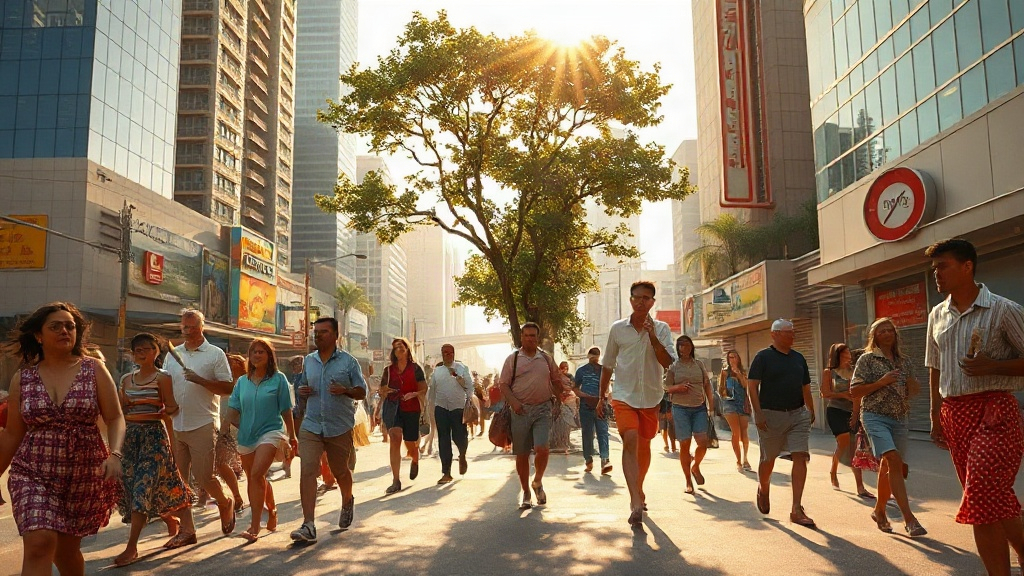
When a heat wave rolls into a city, the first thing most of us do is check the temperature. We glance at a weather app, see a number like 38°C (100°F), and think we know what to expect. But that number tells only a sliver of the story. The lived experience of urban heat is far more complex, woven into the fabric of daily routines, social interactions, and even our sense of safety. As cities grow hotter, understanding these human dimensions is becoming urgent.
Why Air Temperature Is a Poor Proxy for Heat Experience
Meteorologists measure air temperature in the shade, usually at a height of about two meters above ground. That standard gives us a consistent baseline, but it ignores the radiant heat bouncing off asphalt, the humidity that makes sweat cling to skin, and the wind that may or may not offer relief. A single reading cannot capture the difference between standing on a sun-baked sidewalk and sitting in a leafy park just a block away.
Researchers who study urban climate have long known that microclimates vary dramatically within a city. A narrow street lined with dark buildings can be several degrees hotter than a nearby open square. The materials we use, the amount of shade, and the presence of vegetation all shape how heat accumulates and how it feels to the people who live there.
The Body's Hidden Thermostat: How Heat Gets Under the Skin
Human bodies are remarkably good at regulating temperature, but only within limits. When the combination of heat and humidity pushes the wet-bulb globe temperature too high, sweating becomes ineffective, and core body temperature can rise dangerously. This threshold varies from person to person, depending on age, health, and acclimatization.
What many people notice first is not the risk of heatstroke but the subtle ways heat infiltrates daily life. Sleep becomes fragmented. Concentration fades. Appetite changes. Even mood can shift, with studies linking hotter days to increases in irritability and aggression. These effects are not just inconveniences; they accumulate, shaping long-term health and well-being.
Heat at Home: The Unequal Burden of Indoor Temperatures
When we think of urban heat, we often picture outdoor spaces. Yet for many city dwellers, the most intense heat is experienced indoors. Apartments in older buildings may lack air conditioning, proper insulation, or cross-ventilation. Top-floor units can turn into ovens as heat radiates from the roof.
This indoor heat burden is not evenly distributed. Low-income households, older adults, and people with chronic illnesses are more likely to live in poorly adapted housing and less likely to afford cooling. A 2021 study in the journal Environmental Research Letters found that in many U.S. cities, neighborhoods with historically redlined populations experience significantly higher summer temperatures than wealthier, greener areas. The legacy of discriminatory housing policies literally shapes who breathes the hottest air.
Sleep: The Silent Casualty
Sleep scientists have found that the ideal bedroom temperature for most people is around 18°C (65°F). When nighttime temperatures stay above 24°C (75°F), sleep quality drops. People wake more often, spend less time in deep sleep, and report feeling less rested. Over consecutive hot nights, the effects compound, leading to daytime fatigue, reduced cognitive performance, and even weakened immune function.
In cities, the urban heat island effect means nights cool down less than in surrounding rural areas. Asphalt and concrete release the heat they absorbed during the day, keeping the air warm long after sunset. For those without air conditioning, opening a window may bring little relief, especially if outdoor air is also warm and polluted.
Getting Around: Heat and Mobility
Urban heat also changes how people move through the city. On hot days, walking and cycling become less appealing, and public transit can feel like a sauna. Subway platforms, in particular, can be dangerously hot, especially in older systems with poor ventilation.
Those who rely on active transportation, such as walking or biking, face a tough choice: endure the heat or change their plans. This can reduce physical activity, increase reliance on cars, and further contribute to the heat island effect. For people with disabilities or chronic conditions, the barriers are even higher.
The Social Life of Heat
Heat doesn't just affect individual bodies; it reshapes social life. When it's too hot, people retreat indoors, reducing casual interactions that build community. Public spaces like plazas and parks may empty out during the hottest hours. Street vendors, performers, and others who depend on foot traffic see their livelihoods suffer.
There is also the question of safety. Some studies suggest that violent crime increases with temperature, though the relationship is complex and influenced by many factors. What is clear is that heat can make public spaces feel less welcoming, particularly for those who cannot easily escape to air-conditioned environments.
Dressing for the Heat: More Than Fashion
What we wear is a practical response to heat, but it's also cultural. In some cities, loose, light-colored clothing is the norm; in others, social expectations dictate heavier attire. Migrants and visitors may find themselves unprepared for the local climate, lacking the right clothes or the knowledge of how to stay cool.
Workplace dress codes can also be a problem. Requiring long sleeves or dark colors in hot weather can increase discomfort and even risk. Some employers are now revisiting these policies, but change is slow.
Measuring What Matters: Beyond the Thermometer
If we want to protect people from urban heat, we need better ways to measure and understand their experience. Traditional weather data, while useful, misses the nuance of how heat is felt in different neighborhoods, homes, and bodies. Researchers are increasingly turning to wearable sensors, smartphone apps, and community science projects to capture real-time, localized data.
These tools can reveal hotspots that official maps overlook, such as a particularly hot block or a building with no shade. They can also help identify who is most at risk and what interventions would help most. For example, planting trees in a specific neighborhood might lower temperatures more effectively than a citywide campaign.
What Cities Can Do: From Data to Action
Many cities are already taking steps to address urban heat. Some are expanding tree canopy, creating cool roofs, and opening cooling centers. Others are revising building codes to require better insulation and ventilation. But experts say that effective action must be informed by the lived experience of residents.
That means listening to people who know their neighborhoods best. Community groups can help identify priorities, from fixing a single bus shelter to advocating for broader green infrastructure. It also means addressing the root causes of vulnerability, such as poverty and discrimination, which make some people more exposed to heat than others.
Frequently Asked Questions
Why does urban heat feel worse than the temperature suggests?
Air temperature alone doesn't account for humidity, radiant heat from surfaces, and wind. In cities, these factors often combine to make the heat feel more intense than a simple thermometer reading implies.
How can I stay cool without air conditioning?
Strategies include keeping windows shaded during the day, using fans to circulate air, taking cool showers, and spending time in public cooling centers or shaded parks. Wearing light, loose clothing also helps.
Are some neighborhoods hotter than others?
Yes. Due to differences in tree cover, building materials, and amount of pavement, temperatures can vary by several degrees within a single city. Historically marginalized neighborhoods often experience higher heat.
What can cities do to reduce urban heat?
Planting trees, creating green roofs, using reflective materials, and improving building insulation are effective measures. Engaging residents in planning ensures solutions meet actual needs.
How does heat affect sleep?
High nighttime temperatures disrupt sleep by preventing the body from cooling down. This can lead to less restorative sleep and daytime fatigue. Keeping bedrooms cool and using fans can help.