
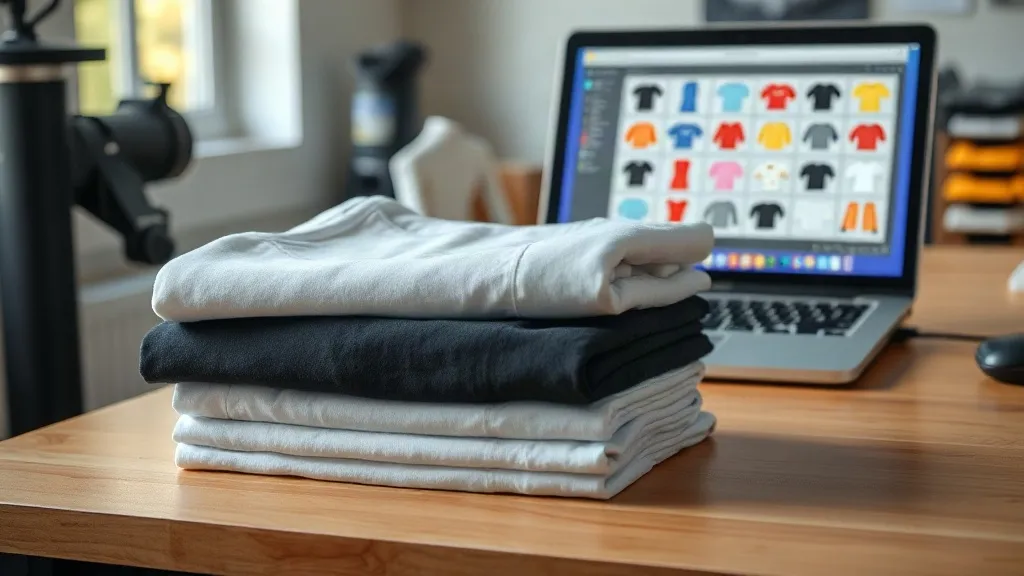
When you pull a freshly printed tee out of the press, the last thing you want is a blank that fights you. Shaka Wear has built a reputation among printers and brands for making blanks that feel substantial, hold ink well, and come in cuts that people actually want to wear. If you are running a print shop, managing a brand, or just getting into DTF printing, understanding why shaka wear blanks deserve a spot on your shelf can save you time, money, and a lot of frustration.
In this guide, we will look at what makes Shaka Wear a smart choice for DTF printing, how to pick the right styles for your projects, and how tools like a DTF Gangsheet Builder can help you turn a good blank into a great finished product. We will also share practical tips for getting the most out of your prints, from fabric prep to final press.
Why Shaka Wear Blanks Work Well for DTF Printing
DTF printing has changed the game for small shops and big brands alike. It allows for vibrant, full-color designs on a wide range of fabrics without the setup costs of screen printing. But not every blank plays nice with DTF. The fabric content, weave, and weight all affect how the transfer adheres and how the final print looks after washing.
Shaka Wear blanks tend to hit the sweet spot. Their tees are typically 100% cotton or cotton-rich blends, which take DTF transfers beautifully. The fabric has a tight enough weave that the powder adhesive grabs hold, but it is not so stiff that the print feels like a plastic patch. In our experience, prints on Shaka Wear tees stay soft and flexible, even after multiple washes.
Another reason printers like Shaka Wear is consistency. When you are fulfilling orders, the last thing you need is a blank that varies from batch to batch. Shaka Wear has earned a reputation for reliable sizing and construction, which means your customers get what they expect every time. That consistency is especially important if you are printing in bulk or building a brand around a specific fit.
Choosing the Right Shaka Wear Style for Your Project
Shaka Wear offers more than just basic tees. They have a range of styles, from classic crewnecks to hoodies and long sleeves. Picking the right one depends on your design, your audience, and how you plan to sell or use the garment.
Crewneck Tees: The Workhorse
The classic crewneck is the go-to for most DTF projects. Shaka Wear's crewnecks come in a variety of weights, from lightweight to heavyweight. For retail or promotional tees, a mid-weight option (around 5.3 to 6 ounces) offers a good balance of durability and comfort. If you are printing a design with fine details, a tighter weave helps the transfer sit flat and look sharp.
Hoodies and Sweatshirts: For Cooler Weather and Premium Feel
DTF printing on fleece can be a bit trickier because of the texture, but Shaka Wear hoodies are up to the task. Their fleece is smooth enough that the transfer adheres well, and the results are cozy, premium-looking pieces that sell well in fall and winter. Just be sure to adjust your press settings for the thicker fabric.
Long Sleeves and Specialty Cuts
Long sleeves are great for designs that wrap around the arm or for layered looks. Shaka Wear's long sleeves maintain the same quality as their tees, so you can offer a cohesive collection. If you are targeting a specific market, like skate or streetwear, consider their boxy or oversized cuts, which are popular right now.
Preparing Shaka Wear Blanks for DTF Transfers
Even the best blank needs proper prep. Before you press, take a few minutes to set yourself up for success.
- Pre-press the garment: Give the shirt a quick press for 5-10 seconds to remove moisture and wrinkles. This helps the transfer adhere evenly.
- Check for sizing and placement: Measure twice, press once. Use a ruler or guides to center your design, especially on crewnecks where the neckline can vary slightly.
- Adjust pressure and temperature: DTF transfers typically require medium pressure and temperatures around 300-320°F (150-160°C). Always follow the instructions from your transfer supplier, as settings can vary.
- Use a cover sheet: A Teflon sheet or parchment paper protects your press and the transfer during the final press.
After pressing, let the garment cool completely before peeling the transfer film. Peeling while hot can stretch the design or cause it to lift at the edges. Once cooled, give it a final press with a cover sheet for a few seconds to set the ink.
Maximizing Efficiency with a DTF Gangsheet Builder
If you are printing multiple designs or sizes, organizing your transfers on a gangsheet can save you time and money. A DTF Gangsheet Builder is a tool that lets you upload your artwork, arrange it on a single sheet, and calculate the best layout to minimize waste. This is especially useful when you are working with Shaka Wear blanks because you can plan a full run of shirts in one go.
Using a gangsheet builder, you can drag and drop your designs, resize them, and see exactly how they will fit on the sheet. Many builders also offer automatic nesting, which arranges your images to use the least amount of film possible. That efficiency adds up, especially if you are printing high volumes. It also reduces the chance of errors, since you can review the layout before sending it to the printer.
When you pair a gangsheet builder with quality blanks like Shaka Wear, you get a workflow that is both cost-effective and reliable. You spend less time fiddling with layout and more time pressing and shipping.
Common Pitfalls and How to Avoid Them
Even experienced printers run into issues. Here are a few common problems and how to sidestep them.
- Insufficient pressure: If the transfer does not adhere fully, it may peel after washing. Make sure your press is calibrated and apply consistent pressure.
- Wrong peel method: Some DTF transfers are hot peel, others cold peel. Always check with your supplier. Peeling incorrectly can ruin the transfer.
- Ignoring fabric differences: A setting that works for a 100% cotton tee may not work for a 50/50 blend. Test on scraps before pressing a full order.
- Not washing before wearing: While DTF prints are durable, it is always a good idea to wash garments inside out and hang dry to prolong the life of the print.
By keeping an eye on these details, you can ensure that every Shaka Wear blank you print leaves your shop looking its best.
Frequently Asked Questions
What makes Shaka Wear different from other blank brands?
Shaka Wear focuses on consistent quality and a range of fits that appeal to streetwear and contemporary styles. Their blanks are known for holding up well to printing and washing, which makes them a reliable choice for both small shops and large brands.
Can I use DTF printing on all Shaka Wear products?
Most Shaka Wear products, including tees, hoodies, and long sleeves, are suitable for DTF printing. However, always check the fabric content and test on a sample if you are unsure. Fleece and heavily textured fabrics may require adjusted press settings.
How does a DTF Gangsheet Builder save me money?
A gangsheet builder helps you arrange multiple designs on a single sheet of DTF film, minimizing wasted space. By optimizing the layout, you use less film and reduce production costs. It also streamlines the printing process, saving you time.
Do I need special equipment to print on Shaka Wear blanks?
You will need a heat press and a DTF printer (or access to a DTF printing service). A heat press is essential for transferring the designs onto the garments. Basic supplies like cover sheets and a ruler for placement are also helpful.
Where can I buy Shaka Wear blanks?
Shaka Wear blanks are available through various wholesale distributors and online retailers. Look for suppliers that specialize in blank apparel for printers, and check for bulk pricing if you plan to order in large quantities.