
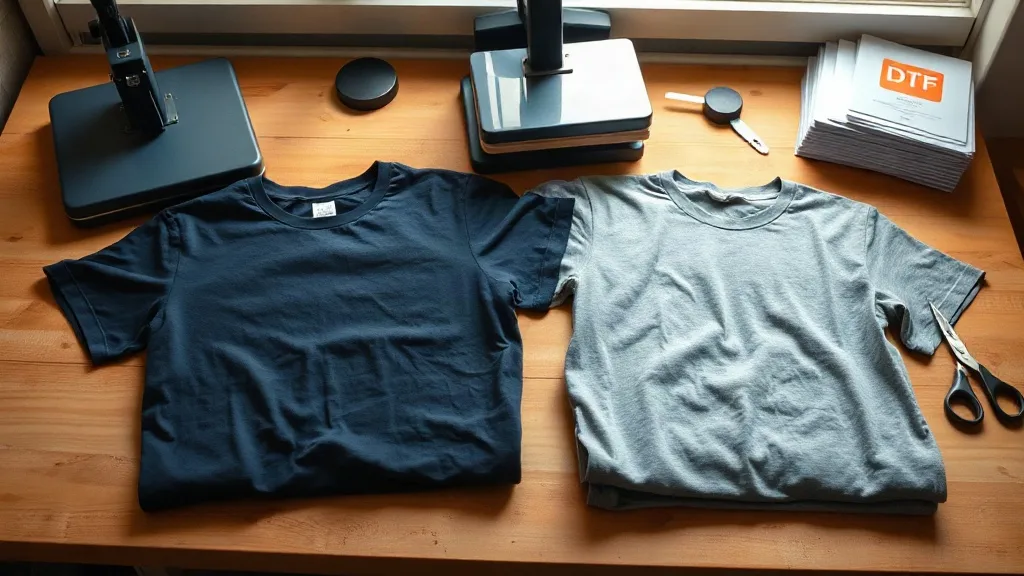
Walk into any print shop and you will hear the same conversation: the customer wants a soft, durable tee that does not break the budget, and the printer wants a blank that behaves predictably under the heat press. The blank you choose shapes everything from how the print looks to how the shirt feels after ten washes. Two names that come up often in that conversation are shaka wear and smart blanks. Both have earned a following among decorators, but they serve different needs. This guide breaks down what each brings to the table, how they perform with common decoration methods, and how to decide which one belongs in your next order.
Why the Blank Matters More Than You Think
It is tempting to treat the blank as an afterthought. After all, the design is what sells, right? In practice, the blank is the product. A heavyweight cotton tee with a tight knit holds a crisp screen print and keeps its shape. A lightweight, loosely knit shirt might feel great on the hanger but pill and warp after a few cycles in the dryer. The difference shows up in reviews, returns, and repeat orders.
Printers also care about how a blank handles heat. Cotton blends with a high polyester content can be tricky with heat transfers because the synthetic fibers react differently to pressure and temperature. Ring-spun cotton, on the other hand, offers a smooth surface that takes ink and adhesive well. Understanding these basics helps you ask better questions when comparing shaka wear and smart blanks.
Shaka Wear: Streetwear Roots, Print-Ready Build
Shaka wear built its reputation in the streetwear space, and that DNA shows in the fit and feel of its blanks. The brand is known for heavyweight tees with a relaxed, boxy cut that suits modern casual wear. For decorators, the appeal is the consistency: the fabric weight is substantial enough to support large prints without the shirt feeling flimsy, and the surface is smooth enough for detailed work.
Fabric and Fit
Most shaka wear tees are made from 100% cotton or a cotton-rich blend, with weights typically in the 5.5 to 6.5 oz range. That puts them in the mid-to-heavyweight category, which is a sweet spot for custom apparel. They drape well without being stiff, and the shoulder construction holds up to repeated wear. The fit tends to run true to size, though the boxy silhouette means customers who prefer a slimmer look may want to size down.
Print Compatibility
Because the fabric is tightly knit and mostly cotton, shaka wear blanks work well with screen printing, direct-to-film (DTF) transfers, and embroidery. The smooth surface helps DTF adhesives bond evenly, which reduces the risk of peeling at the edges. For screen printers, the fabric absorbs plastisol and water-based inks predictably, so color matching is straightforward. One caveat: darker colors may require a white underbase for bright prints, as with any cotton blank.
Smart Blanks: Everyday Value with Reliable Performance
Smart blanks occupies a different lane. The brand focuses on accessible pricing without sacrificing the basics that matter for decoration. These blanks are popular with schools, teams, and small businesses that need volume without stretching the budget. The fabric is generally lighter than shaka wear, often in the 4.5 to 5.5 oz range, which makes them a good choice for warm-weather events and promotional giveaways.
Fabric and Fit
Smart blanks tees are typically cotton or cotton-poly blends with a classic, slightly tapered fit. They feel softer out of the bag than some heavyweight competitors, and the lighter weight means they drape more closely to the body. For customers who associate heavy cotton with stiffness, this can be a selling point. The trade-off is that very light colors may be slightly sheer, so consider the end use before committing to a large run.
Print Compatibility
Cotton-poly blends can be finicky with heat transfers, but smart blanks generally handle DTF well when the press is set correctly. The key is to follow the transfer supplier's temperature and pressure recommendations, since the poly content can cause the adhesive to cure faster. Screen printing on these blanks is also reliable, though water-based inks may require a slightly different cure schedule. For embroidery, the lighter fabric benefits from a stabilizer to prevent puckering.
Head-to-Head: Which Blank Fits Your Project?
There is no single winner here. The right choice depends on what you are making and who is wearing it. Here is how the two compare across the factors that matter most to decorators.
- Weight and hand feel: shaka wear leans heavyweight and structured; smart blanks leans lighter and softer.
- Price point: smart blanks is generally more budget-friendly, making it a strong option for large promotional orders.
- Print surface: Both work well with DTF and screen printing, but shaka wear offers a slightly smoother, denser surface for fine detail.
- Best for: shaka wear suits retail-style streetwear and premium merch; smart blanks suits events, teams, and high-volume giveaways.
A practical approach is to stock both. Use shaka wear for your flagship designs and smart blanks for budget-sensitive projects. That way you can quote accurately without compromising on quality.
Decoration Tips for Getting the Most from Each Blank
Even the best blank can disappoint if the decoration process is rushed. Here are a few habits that make a difference, regardless of which brand you choose.
- Pre-press the shirt. A quick press removes moisture and wrinkles, giving the transfer or screen a flat surface to bond with.
- Mind the pressure. Too much pressure on lighter blends like smart blanks can cause the fabric to shine or the adhesive to bleed. Start moderate and adjust.
- Test wash a sample. Before a full run, print one shirt and wash it according to the care label. This catches adhesion issues early.
- Store blanks properly. Keep them sealed and away from humidity; moisture affects how both cotton and blends accept decoration.
How to Choose the Right Blank for Your Brand
Start with the end customer. If you are building a streetwear label where fit and weight are part of the identity, shaka wear aligns with that story. If you are outfitting a 5K run or a corporate event where cost per unit drives decisions, smart blanks makes more sense. Consider also the decoration method: DTF transfers offer flexibility for small runs and complex designs, while screen printing rewards volume with lower per-unit costs.
It also helps to order samples before committing. Feel the fabric, check the stitch quality, and run a test print. A blank that looks good in a photo can feel very different in hand. Both shaka wear and smart blanks offer consistent quality, but the right choice is the one that matches your customer's expectations.
Frequently Asked Questions
Is Shaka Wear good for DTF printing?
Yes. The cotton-rich, tightly knit fabric provides a smooth surface that helps DTF adhesives bond evenly. Follow the transfer supplier's temperature and pressure settings, and pre-press the shirt to remove moisture for the best results.
Are Smart Blanks suitable for screen printing?
They are. smart blanks handle plastisol and water-based inks well. Because some styles are cotton-poly blends, check the cure temperature carefully, especially with water-based inks, to avoid uneven curing.
Which blank is better for streetwear?
shaka wear is generally the stronger fit for streetwear because of its heavier weight and boxy cut. That said, smart blanks can work for lighter, more fitted styles if the design and audience align with that look.
Do Smart Blanks shrink after washing?
Like most cotton and cotton-blend tees, some shrinkage can occur, especially in the first wash. Washing cold and tumble drying low helps minimize it. Always check the care label and test a sample if shrinkage is a concern for your order.
Can I mix Shaka Wear and Smart Blanks in one order?
Absolutely. Many shops stock both to cover different price points and use cases. Mixing brands lets you offer options without sending customers elsewhere, and it helps you stay competitive on both premium and budget projects.