
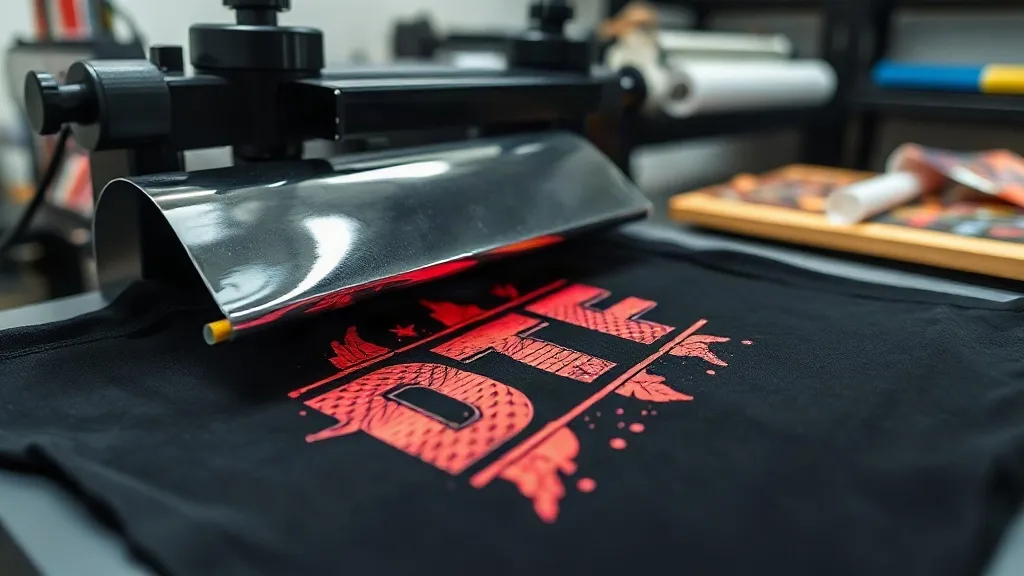
If you've been in the custom apparel business for any length of time, you've likely heard the buzz around dtf printing. It's not just another passing trend; it's a method that's reshaping how small shops and large manufacturers approach garment decoration. Unlike traditional screen printing or vinyl cutting, DTF offers a unique blend of versatility, durability, and vibrant color reproduction that appeals to both beginners and seasoned pros. In this guide, we'll dive deep into the world of dtf transfers, covering everything from the basic process to advanced tips, so you can decide if it's the right fit for your next project.
What Are DTF Transfers?
DTF stands for Direct to Film. It's a printing technique where your design is printed onto a special film, coated with a adhesive powder, and then heat-pressed onto a garment. The magic lies in the film: it allows for intricate details, gradients, and even photographic images to be transferred with incredible clarity. Unlike DTG (Direct to Garment), which prints directly onto the fabric, DTF uses a two-step process that separates printing from application. This means you can print designs on demand, store the transfers, and apply them whenever needed.
The DTF Printing Process
Understanding the steps involved helps you appreciate the craft. Here's a breakdown of how DTF transfers are made:
- Design Preparation: Your artwork is prepared digitally, ensuring colors are vibrant and details are sharp. The design is then printed in reverse onto a PET film using specialized DTF printers.
- Powder Application: While the ink is still wet, a thermoplastic powder is applied evenly over the printed film. The excess powder is shaken off, leaving a thin layer that will act as the adhesive.
- Curing: The film passes through a curing oven or heat press to melt the powder, creating a smooth, flexible adhesive layer that bonds with the ink.
- Transfer: Once cured, the transfer is ready. You place it on your garment and apply heat and pressure with a heat press. After cooling, you peel away the film, leaving your design permanently bonded to the fabric.
Each step requires precision, but with practice, it becomes second nature. The result is a durable, stretchable print that feels soft to the touch.
Why Choose DTF Transfers for Your Apparel?
There are several compelling reasons why DTF has gained such a loyal following. Let's explore the key benefits.
1. Unmatched Versatility
DTF works on a wide range of fabrics, including cotton, polyester, blends, and even leather. This is a game-changer for businesses that offer diverse product lines. You're not limited to 100% cotton like with DTG, nor do you need to worry about color matching for different fabric types. Whether you're decorating t-shirts, hoodies, tote bags, or caps, DTF delivers consistent results.
2. Vibrant Colors and Fine Details
Because the design is printed on film first, DTF can reproduce intricate details and gradients with stunning accuracy. Unlike vinyl, which requires layering and can feel heavy, DTF prints are thin and flexible. The colors pop, and the white ink base ensures that even on dark garments, your design stands out without fading.
3. Cost-Effective for Small and Large Runs
Screen printing requires separate screens for each color, making small runs expensive. DTF eliminates that. You can print one-off designs or large batches with the same efficiency. The transfers have a long shelf life, so you can print in bulk and store them for future orders. This reduces waste and allows for quick turnaround times.
4. Durability and Washability
When applied correctly, DTF transfers are incredibly durable. They withstand repeated washing without cracking, peeling, or fading. The key is proper application: using the right temperature, pressure, and time. Once you dial in your settings, you'll find that DTF prints hold up as well as, if not better than, other methods.
DTF vs. Other Printing Methods
How does DTF stack up against the competition? Let's compare.
DTF vs. DTG
DTG prints directly onto the garment, which is great for 100% cotton and small details. However, DTG requires pre-treatment, and the results can vary depending on the fabric. DTF, on the other hand, works on almost any fabric and doesn't require pre-treatment. The transfers are also more durable and can be stored, making them ideal for on-demand production.
DTF vs. Screen Printing
Screen printing is cost-effective for large orders with few colors, but it's not practical for complex designs or small runs. DTF excels in both areas. It handles full-color designs without extra cost and is perfect for short runs. However, for very large orders with simple designs, screen printing might still be more economical.
DTF vs. Vinyl
Vinyl is great for simple text and shapes, but it can't handle gradients or fine details. It also adds a layer that can feel stiff. DTF prints are softer and more flexible, and they can reproduce any design you throw at them. For anything beyond basic one-color designs, DTF is the clear winner.
How to Apply DTF Transfers: Step-by-Step
Applying DTF transfers is straightforward, but attention to detail is crucial. Here's a step-by-step guide to ensure perfect results every time.
Step 1: Prepare Your Workspace
You'll need a heat press, a lint roller, and a protective sheet (like parchment paper or Teflon). Ensure your heat press is at the correct temperature: typically 325°F (160°C) for most fabrics. Pre-press the garment for a few seconds to remove moisture and wrinkles.
Step 2: Position the Transfer
Place the DTF transfer on the garment with the printed side facing up. If your design has a white base, it will be on the film side that touches the fabric. Use heat-resistant tape to secure it if needed.
Step 3: Apply Heat and Pressure
Cover the transfer with your protective sheet. Press with medium to heavy pressure for 10-15 seconds. The exact time may vary depending on your press and fabric, so always test first.
Step 4: Peel and Finish
After pressing, allow the transfer to cool completely before peeling off the film. You can peel it either hot or cold, but cold peel is generally recommended for DTF. Once peeled, you can do a second press for 5 seconds with the protective sheet to ensure maximum adhesion.
Common Mistakes to Avoid
Even experienced printers make mistakes. Here are some pitfalls to watch out for:
- Insufficient Pressure: Without enough pressure, the transfer won't bond properly, leading to premature peeling.
- Wrong Temperature: Too hot and you'll scorch the fabric; too cold and the adhesive won't activate.
- Not Pre-Pressing: Moisture and wrinkles can ruin the application. Always pre-press.
- Peeling Too Soon: If you peel while hot, the design may stretch or lift. Wait for it to cool.
- Using the Wrong Film: Not all DTF films are created equal. Choose high-quality films designed for your printer.
Choosing the Right DTF Supplies
The quality of your transfers depends heavily on the supplies you use. Here's what to look for:
DTF Printer
You can modify an existing printer or buy a dedicated DTF printer. Dedicated models are calibrated for DTF inks and films, ensuring consistent output. Brands like Epson and Roland are popular, but there are also budget-friendly options from Chinese manufacturers. Do your research and read reviews.
DTF Inks
Use high-quality DTF inks that are designed for the process. They should be vibrant, durable, and compatible with your printer. Cheaper inks may clog printheads or produce dull colors.
DTF Film
Films come in different thicknesses and finishes. Double-sided film is common, but single-sided can work too. Ensure the film is compatible with your ink and powder.
Adhesive Powder
The powder is what makes the transfer stick. It comes in fine and coarse grades. Fine powder is better for detailed designs, while coarse powder provides a stronger bond. Choose based on your needs.
DTF Transfers in Action: Real-World Applications
DTF isn't just for t-shirts. Its versatility opens up a world of possibilities.
- Sportswear: DTF is perfect for jerseys and activewear because it stretches with the fabric and doesn't crack.
- Corporate Apparel: Create branded polos, jackets, and bags with intricate logos.
- Fashion: Boutiques use DTF for limited-edition designs and small-batch production.
- Promotional Products: Add logos to totes, hats, and even shoes.
- Home Decor: Personalize pillows, aprons, and more.
If you're looking to explore DTF transfers for your business, dtf transfers offers a range of supplies and resources to get you started.
Frequently Asked Questions
Can I use DTF transfers on 100% polyester?
Yes, DTF works well on polyester. However, polyester requires a lower temperature to avoid scorching. Test with a lower temp (around 280°F) and adjust as needed.
How long do DTF transfers last?
With proper application and care, DTF transfers can last as long as the garment itself. They withstand dozens of washes without fading or peeling.
Do I need a special printer for DTF?
You can convert an Epson printer to use DTF inks, but dedicated DTF printers are recommended for best results. They are designed to handle the ink and film efficiently.
What is the best way to store DTF transfers?
Store them in a cool, dry place away from direct sunlight. Keep them flat to avoid creasing. Properly stored transfers can last for months.
Can I layer DTF transfers?
Yes, you can layer DTF transfers, but it's tricky. You'll need to press each layer separately and ensure proper adhesion. It's often easier to design your artwork with all elements combined.
DTF transfers are a powerful tool in the world of custom apparel. Whether you're a hobbyist or a business owner, understanding the ins and outs of this technology can set you apart. With its versatility, durability, and vibrant results, DTF is here to stay. So why not give it a try? Your customers will thank you.