
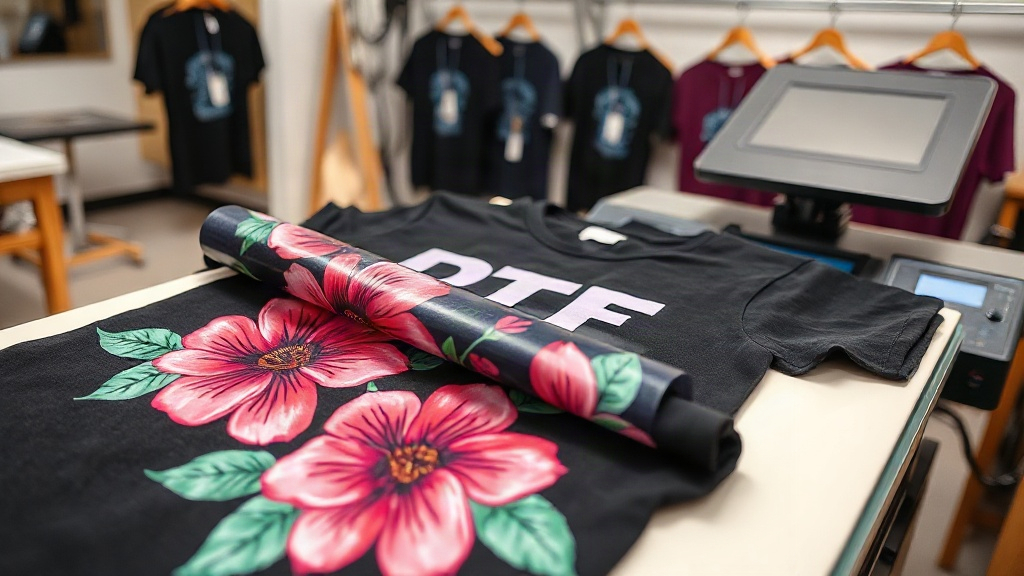
Imagine pulling a freshly printed t-shirt off the heat press. The colors are so vivid they almost leap off the fabric. The details are crisp, the design feels soft to the touch, and you know it will survive dozens of washes without cracking or fading. That is the magic of a well-executed DTF (direct-to-film) transfer. If you are tired of vinyl that peels or screen printing that costs too much for small runs, you are in the right place. I have spent years testing every transfer method under the sun, and DTF transfers have completely changed how I create custom apparel. In this guide, I will walk you through the seven secrets that separate mediocre prints from show-stopping ones. Whether you are a hobbyist or a small business owner, these tips will help you find reliable DTF transfers near me and use them like a pro.
What Exactly Are DTF Transfers and Why Are They Taking Over?
Before we dive into the secrets, let us get on the same page. DTF stands for direct-to-film. Unlike DTG (direct-to-garment) printing, which prints ink directly onto the shirt, DTF prints your design onto a special PET film. Then, an adhesive powder is applied to the wet ink, cured, and the film is ready to be heat-pressed onto almost any fabric. The result is a full-color, highly detailed print that bonds beautifully to cotton, polyester, blends, and even tricky materials like denim or canvas.
Why has this method exploded in popularity? For starters, it is incredibly versatile. You can print on dark or light garments with the same transfer, no weeding required. It handles intricate designs, gradients, and small text with ease. And unlike screen printing, there are no setup fees for multiple colors, making it perfect for small batches or one-off creations. Many people search for DTF transfers near me because they want quick turnaround and local support, but plenty of online suppliers offer excellent quality too. The key is knowing how to source and apply them correctly, which is exactly what the following secrets will teach you.
Secret #1: Choose Your DTF Transfer Supplier Wisely
The foundation of any great print is the transfer itself. Not all DTF transfers are created equal. Some suppliers use lower-quality inks that fade quickly, or films that do not release cleanly. When you are searching for DTF transfers near me, do not just pick the cheapest option. Look for reviews that mention color vibrancy, wash durability, and customer service. Ask for sample packs if possible. I once ordered a batch from a bargain supplier and the prints looked great at first, but after three washes, the colors turned muddy and the film started to crack. That taught me to value quality over a few saved dollars. A reputable supplier will use high-quality inks, a good adhesive powder, and consistent curing times. If you are buying online, check if they offer color profiles or test prints. This small step can save you hours of frustration and wasted garments.
Secret #2: Master the Art of Design Preparation
Even the best transfer cannot fix a poorly prepared design. When creating artwork for DTF, think about contrast and saturation. Colors that look bright on your computer screen may print slightly duller, so bump up your saturation by about 10-15%. Also, make sure your design is at least 300 DPI at the actual print size. Low-resolution images will look pixelated and unprofessional. If your design has a transparent background, save it as a PNG with a transparent background so the transfer printer knows not to print a white box. For dark garments, your supplier will typically add a white underbase automatically, but it is worth confirming. I always add a thin outline or a slight choke to my designs to prevent any misalignment issues. These small adjustments make a huge difference in the final result.
Secret #3: Dial In Your Heat Press Settings
The heat press is where good transfers go to die or thrive. Too little heat and the adhesive will not bond; too much heat and you can scorch the film or burn the fabric. Most DTF transfers require a temperature between 300°F and 325°F (150°C to 160°C), with medium to firm pressure, for about 10 to 15 seconds. But always follow the specific instructions from your supplier because they can vary. I use a digital heat press with a timer and a pressure gauge to ensure consistency. If you are using a household iron, you will struggle to get even heat and pressure, so I highly recommend investing in a proper heat press. Also, pre-press your garment for a few seconds to remove moisture and wrinkles. This simple step prevents bubbles and ensures a smooth surface for the transfer.
Secret #4: Perfect Your Peeling Technique
After pressing, the way you peel the film off can make or break your print. There are three main types of peel: hot, warm, and cold. DTF transfers are typically designed for a warm or cold peel, meaning you wait until the film cools down a bit before removing it. If you peel too hot, you might pull some of the ink off with the film. If you wait too long, the film can become brittle and difficult to remove. I usually let the transfer cool for about 10 to 15 seconds, then peel slowly and steadily at a 45-degree angle. If you notice any areas lifting, press them again for a few seconds. Practice on scrap fabric until you get a feel for the right timing. This is one of those skills that separates beginners from pros, and once you master it, your prints will look flawless every time.
Secret #5: Use the Right Adhesive Powder and Curing Method
The adhesive powder is the unsung hero of the DTF process. It is what makes the ink stick to the fabric. When you order DTF transfers, the supplier usually applies the powder and cures it for you, but if you are printing them yourself, you need to get this step right. Use a fine-grain polyurethane powder for a soft hand feel. Apply it generously over the wet ink, shake off the excess, and then cure it in a convection oven or a heat tunnel. The powder should melt and become clear, not yellow or brown. Under-curing can cause the adhesive to fail during washing, while over-curing can make the film difficult to peel. If you are buying pre-made transfers, this is already done for you, but it is good to understand the process so you know what to look for in a quality product.
Secret #6: Experiment with Fabric Types for Maximum Versatility
One of the biggest advantages of DTF transfers is their versatility. You are not limited to 100% cotton t-shirts. I have successfully applied DTF to polyester sports jerseys, canvas tote bags, denim jackets, and even leather patches. The key is to adjust your heat press settings based on the fabric. For delicate fabrics like polyester, lower the temperature slightly and use a shorter press time to avoid scorching. For thick fabrics like denim, you might need a bit more pressure to ensure the adhesive penetrates the weave. Always test on a hidden area or a scrap piece first. This flexibility opens up so many creative possibilities. Whether you are making team uniforms, personalized gifts, or branded merchandise, DTF can handle it all. And if you are looking for DTF transfers near me, many local shops can print on a variety of materials, so do not hesitate to ask.
Secret #7: Post-Press Care and Washing Tips for Longevity
You have created a beautiful, vibrant print. Now you want it to last. Proper care is essential. After pressing, let the garment cool completely before folding or wearing. Do not wash it for at least 24 hours to allow the adhesive to fully cure. When washing, turn the garment inside out, use cold water, and a mild detergent. Avoid bleach and fabric softeners, which can break down the adhesive. Tumble dry on low heat or hang dry. If you follow these steps, your DTF transfers should last for 50 or more washes without significant fading or cracking. I have shirts that are two years old and still look almost new. This durability is one of the reasons why DTF is becoming the go-to method for custom apparel businesses.
Where to Find DTF Transfers Near Me
If you are not ready to invest in your own DTF printer and supplies, finding a reliable supplier is crucial. Searching for DTF transfers near me can yield local print shops that offer same-day or next-day service. This is great if you need a quick turnaround or want to pick up your transfers in person to save on shipping. However, many online suppliers offer competitive pricing and high-quality prints delivered to your door. When choosing a supplier, consider factors like minimum order quantities, shipping times, and customer reviews. Do not be afraid to order a small test batch first. I have found that building a relationship with a supplier who understands your needs can be invaluable. They can offer advice on design optimization, fabric compatibility, and even recommend the best transfer type for your specific project.
Common Mistakes to Avoid with DTF Transfers
Even with the best intentions, mistakes happen. Here are a few common pitfalls to watch out for. First, using too much pressure on your heat press can cause the adhesive to squeeze out and create a shiny outline around your design. Second, peeling the film too quickly or too slowly can ruin the print. Third, not pre-pressing your garment leads to moisture issues and poor adhesion. Fourth, using a low-quality transfer from an unknown supplier can result in fading and cracking after just a few washes. Finally, skipping the post-press care instructions can shorten the life of your print. By being aware of these mistakes, you can avoid them and achieve professional results every time.
Why DTF Transfers Are Worth the Investment
If you are serious about custom apparel, DTF transfers are a game changer. They offer the color vibrancy of screen printing with the flexibility of digital printing. You can produce small runs without breaking the bank, and the results are durable enough to sell with confidence. Whether you are making shirts for your family reunion, starting a side hustle, or expanding your print shop's services, DTF is a technology worth mastering. And with the tips in this guide, you are well on your way to becoming a DTF expert. Remember, the key is in the details: choose quality transfers, prepare your designs carefully, dial in your heat press, and treat your finished garments with care. Do that, and you will be amazed at what you can create.
Frequently Asked Questions About DTF Transfers
What is the difference between DTF and DTG printing?
DTF prints onto a film that is then transferred to the garment, while DTG prints directly onto the fabric. DTF works on a wider range of materials and often has better wash durability, especially on dark fabrics. DTG is limited to cotton-heavy garments and requires pre-treatment for dark colors.
Can I use DTF transfers on dark-colored shirts?
Absolutely. DTF transfers are excellent for dark garments because they include a white underbase that makes colors pop. Unlike vinyl, you do not need to weed or layer different colors. Just press and go.
How long do DTF transfers last after washing?
With proper application and care, DTF prints can last for 50 or more washes without significant fading or cracking. Always follow the supplier's instructions and wash inside out in cold water.
Do I need a special printer to make DTF transfers at home?
Yes, you need a DTF-specific printer or a converted inkjet printer with DTF inks, along with a powder shaker and curing oven. It is an investment, but if you do a high volume of prints, it can pay for itself.
Where can I find reliable DTF transfers near me?
You can search online for local print shops that offer DTF printing services. Many cities have businesses that specialize in custom transfers. Alternatively, numerous online suppliers ship nationwide and provide high-quality DTF transfers delivered to your door.