
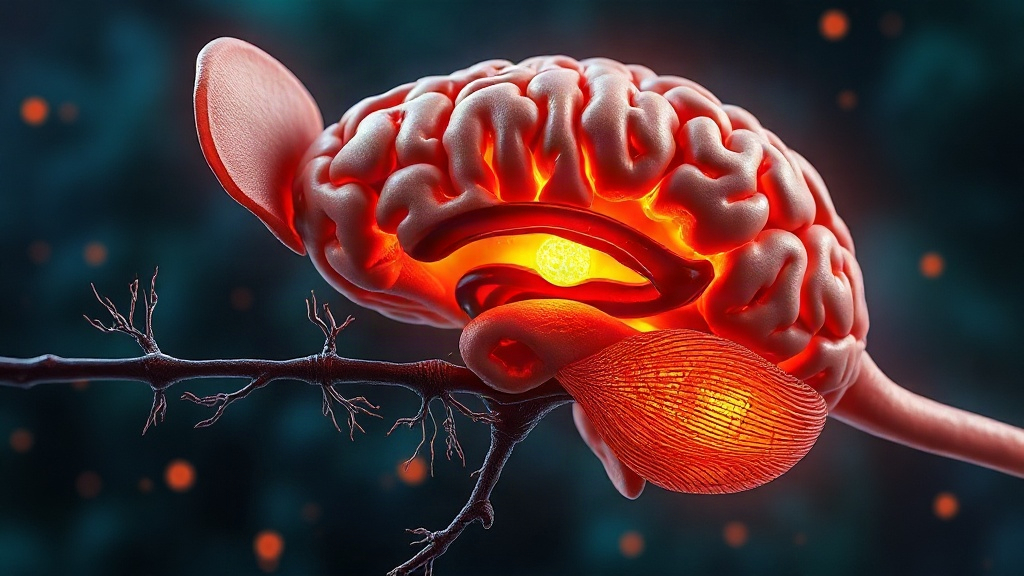
Stroke remains one of the leading causes of long-term disability worldwide, with survivors often facing persistent motor deficits that current therapies can only partially address. But a new study in mice suggests that stem cell transplants might do more than just protect the brain; they could actively rebuild it. The research, published in a peer-reviewed journal, demonstrates that transplanted stem cells can regenerate stroke-damaged brain tissue, producing new neurons and restoring lost motor function. While the leap from mice to humans is significant, the findings offer a glimmer of hope for a field that has long struggled to find effective treatments for chronic stroke damage.
A Closer Look at the Study
The experiments involved inducing strokes in mice and then transplanting stem cells into the affected brain regions. Over several weeks, the researchers observed that the treated mice regained motor skills that were lost after the stroke. But the benefits went beyond behavior: at the cellular level, the stem cells appeared to integrate into the existing neural circuitry, forming new connections and even maturing into functional neurons. This suggests that the transplanted cells didn't just replace dead tissue; they became part of the brain's communication network.
What's particularly striking is that the treatment also improved the health of blood vessels in the brain, reduced inflammation, and strengthened the blood-brain barrier. These secondary effects are crucial because after a stroke, the brain's environment is often hostile to repair. Inflammation can worsen damage, and a leaky blood-brain barrier can allow harmful substances to enter. By addressing these issues, the stem cells created a more conducive environment for recovery.
Why This Matters for Stroke Recovery
Currently, the only FDA-approved treatment for ischemic stroke is a clot-busting drug called tissue plasminogen activator (tPA), which must be administered within hours of the stroke. For many patients, this window is missed, and even when it's not, the drug doesn't repair existing damage. Rehabilitation therapies can help patients adapt, but they don't restore lost brain tissue. This new research points to a potential paradigm shift: instead of just limiting damage, we might be able to reverse it.
The study adds to a growing body of evidence that stem cells could be a versatile tool for brain repair. Previous research has explored their use in Parkinson's disease, traumatic brain injury, and even Alzheimer's, with varying degrees of success. But stroke is particularly challenging because it involves a sudden loss of blood flow that kills a diverse set of cells. The fact that a single treatment could address multiple aspects of the injury—neuronal loss, vascular damage, and inflammation—is what makes this approach so promising.
How Stem Cells Work Their Magic
There are several ways stem cells might aid recovery after a stroke. One is cell replacement: transplanted cells can differentiate into neurons and other brain cells, effectively rebuilding lost tissue. Another is trophic support: stem cells secrete growth factors that promote the survival and function of existing neurons. They can also modulate the immune response, reducing inflammation that would otherwise hinder repair. In this study, it appears that all these mechanisms were at play, creating a synergistic effect that led to meaningful functional recovery.
The researchers used a type of stem cell that is known for its ability to become many different cell types. They injected these cells directly into the stroke cavity, where they could interact with the surrounding tissue. Over time, the cells migrated to areas of damage and began expressing markers of mature neurons. This suggests that they were not just passively filling space but actively participating in the brain's repair processes.
Challenges on the Road to Human Trials
While the results are exciting, translating them to humans will not be straightforward. The mouse brain is vastly different from the human brain in size and complexity. A stroke in humans typically affects a much larger area, and the timing of treatment is critical. In the study, stem cells were transplanted shortly after the stroke, but in real-world scenarios, patients often present days or weeks later. It's unclear whether delayed treatment would be as effective.
There are also safety concerns. Stem cells can potentially form tumors if they divide uncontrollably. The researchers in this study did not report any tumor formation, but long-term monitoring is needed. Additionally, the immune system might reject the transplanted cells unless the patient receives immunosuppressive drugs, which carry their own risks. Scientists are exploring ways to use the patient's own cells (induced pluripotent stem cells) to avoid rejection, but this approach is still in early stages.
What This Means for the Future
Despite these hurdles, the study represents a significant step forward. It provides proof of concept that stem cells can reverse stroke damage in a living organism, not just in a dish. This could spur further research into optimizing the cell type, dose, and delivery method. It also highlights the importance of addressing the whole injury environment, not just the neurons. If the same effects can be replicated in larger animals and eventually humans, it could lead to a new class of therapies for stroke survivors.
For now, the best course of action for stroke prevention remains managing risk factors like high blood pressure, diabetes, and smoking. But for those already living with the aftermath of a stroke, this research offers a reason to be hopeful. It suggests that the brain may be more capable of healing than we once thought, especially with a little help from stem cells.
Frequently Asked Questions
How soon after a stroke would stem cell therapy need to be given?
In the mouse study, stem cells were transplanted shortly after the stroke, but researchers are still determining the optimal time window. It's possible that even delayed treatment could help, but more studies are needed to confirm this.
Are there any stem cell treatments approved for stroke in humans?
No, there are currently no approved stem cell therapies for stroke. Several clinical trials are underway, but they are in early phases and primarily focused on safety rather than efficacy.
Could this lead to a cure for stroke disability?
It's too early to call it a cure, but if the results translate to humans, it could significantly improve recovery and quality of life for stroke survivors. However, more research is needed to determine how well it works and for whom.
What types of stem cells were used in the study?
The study used a type of stem cell that can differentiate into various cell types, but the exact type isn't specified in the source. Commonly, researchers use neural stem cells or mesenchymal stem cells for such experiments.
What are the main risks of stem cell therapy for stroke?
Potential risks include tumor formation, immune rejection, and improper integration into the brain's circuitry. These are being carefully evaluated in ongoing research.