
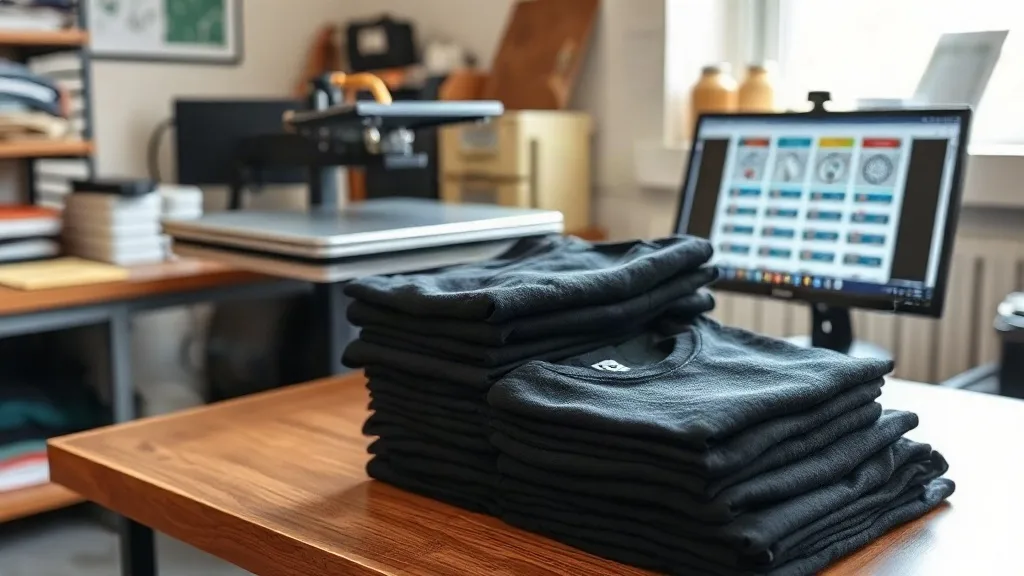
When a customer walks into your shop and runs a hand over a heavyweight tee, you can almost see the decision happening: the weight, the drape, the way the fabric holds its shape. That first impression often matters more than the design itself. For print shops, the blank you choose is the foundation of every order. shaka wear has built a reputation among decorators for delivering that premium feel at a price that keeps margins healthy. In this guide, we'll look at why Shaka Wear blanks deserve a spot on your shelf, how to match them with the right decoration method, and how tools like a DTF Gangsheet Builder can turn a good blank into a streamlined production run.
Why Shaka Wear Blanks Stand Out
Shaka Wear isn't just another blank supplier. The brand focuses on heavyweight fabrics, consistent sizing, and a retail-ready finish that customers notice. Their tees and fleece are popular in streetwear and workwear circles because they hold up to repeated washing and keep their shape. For a print shop, that reliability means fewer complaints and more repeat orders.
One of the first things you'll notice about Shaka Wear is the fabric weight. Many of their tees are in the 6 to 7 oz range, which gives them a substantial hand feel without being stiff. That weight also provides a stable surface for printing, especially for techniques like DTF where the transfer needs to bond evenly. The tight knit construction helps prevent the print from sinking into the fabric, so details stay sharp.
Another advantage is the consistency across colors. Shaka Wear maintains strict quality control, so a black tee from one batch matches the next. This matters when you're producing team uniforms or a large order where color variation would be a problem. You can confidently promise your customers that their reorder will look the same as the first run.
Choosing the Right Shaka Wear Style for Your Shop
Shaka Wear offers a range of styles, from classic crew necks to hoodies and long sleeves. The best choice depends on your customer base and the projects you handle most. Here's a quick breakdown of popular options and their ideal uses.
- Heavyweight Crew Neck Tees: These are the workhorses. With a boxy fit and substantial fabric, they're perfect for streetwear brands, band merch, and promotional items that need to feel premium.
- Hoodies and Fleece: Shaka Wear's fleece is brushed for softness but still durable. These are great for corporate gifts, team gear, and winter collections.
- Long Sleeve Tees: Ideal for layering pieces and seasonal transitions. The extra fabric gives you more room for large prints or sleeve details.
- Youth Sizes: Shaka Wear extends its sizing down to youth, so you can offer matching family sets or school spirit wear without switching brands.
When you're starting out, it's smart to stock a few core colors and sizes in the most popular styles. As you learn what your customers ask for, you can expand. Many shops find that offering Shaka Wear as a premium upgrade alongside a budget blank gives customers a clear choice and increases average order value.
Decorating Shaka Wear Blanks with DTF Transfers
DTF transfers have become a go-to decoration method for many shops because they work on a wide range of fabrics and colors, including the heavyweight blends that Shaka Wear uses. The process involves printing your design onto a special film, applying a powder adhesive, and then pressing it onto the garment. The result is a vibrant, durable print that stretches with the fabric.
Shaka Wear's tight knit and smooth surface make it an excellent candidate for DTF. The transfer adheres well, and the fine details of your design stay crisp. However, not all DTF supplies are created equal. Using a reliable DTF Gangsheet Builder can help you maximize efficiency and reduce waste. With a gangsheet builder, you can arrange multiple designs on a single sheet, which saves on film and powder costs and speeds up production.
Here's a simple workflow to get started:
- Choose your Shaka Wear blank and pre-press it for a few seconds to remove moisture.
- Print your gangsheet with all the designs for the order, using a DTF Gangsheet Builder to nest them efficiently.
- Apply adhesive powder and cure the sheet according to your powder's instructions.
- Press the transfers onto the garments at the recommended temperature and pressure for the fabric.
For Shaka Wear heavyweight tees, a temperature around 300°F to 320°F with medium pressure for 10 to 15 seconds usually works well. Always do a test press on a scrap piece to dial in your settings. The goal is to get a smooth, even bond without scorching the fabric.
Maximizing Efficiency with Gangsheets
Time is money in a print shop. Every minute spent trimming and prepping transfers is a minute not spent pressing or serving customers. Gangsheets solve this by letting you print multiple designs in one go. Instead of loading a new sheet for each order, you fill a sheet with as many designs as possible, then cut them apart. The DTF Gangsheet Builder from Harwin DTF is a free online tool that makes this process simple. You upload your artwork, arrange it on a virtual sheet, and the tool optimizes the layout to minimize wasted space.
Using gangsheets with Shaka Wear blanks is a natural fit because Shaka Wear's consistent sizing means you can predict how much space each design will take on the garment. You can plan a run of, say, 20 tees in various sizes and colors, and build a single gangsheet that covers them all. This reduces film waste and cuts down on setup time between jobs.
Another benefit is inventory management. By printing only what you need on a gangsheet, you avoid overproducing transfers that might sit around and lose their tack. This is especially important for shops that handle a lot of small orders or custom requests.
Pairing Shaka Wear with the Right DTF Supplies
To get the best results with Shaka Wear, you need quality DTF supplies. Not all films and powders are compatible with heavyweight fabrics. Look for films that are designed for high-detail prints and powders that have a low melt point to avoid scorching. Harwin DTF offers a range of DTF supplies that are tested with Shaka Wear blanks, so you can be confident in your results.
When you're building a gangsheet, consider the color of the garment. On dark colors, you'll need a white ink layer to make the design pop. On light colors, you can sometimes skip the white layer for a softer hand feel. The DTF Gangsheet Builder allows you to specify these details per design, so you can customize each transfer for its intended garment.
It's also worth investing in a quality heat press. A press with even pressure and accurate temperature control is essential for DTF. If your press has cold spots, you'll get inconsistent adhesion, which leads to returns and unhappy customers. Shaka Wear's heavyweight fabric can handle higher pressures, but you still want to ensure the press is calibrated.
Marketing Shaka Wear as a Premium Option
Once you've dialed in your production with Shaka Wear and DTF, it's time to tell your customers about it. Many end consumers don't know about blank brands, but they do understand quality. You can market Shaka Wear as a premium choice by emphasizing its weight, durability, and fit. Display a sample of a Shaka Wear tee next to a standard blank so customers can feel the difference. Train your staff to explain why the upgrade is worth it.
You can also create packages that pair Shaka Wear with DTF printing for a fully branded look. For example, offer a "Streetwear Starter" package that includes a heavyweight tee with a custom DTF print. Promote these packages on social media and in your shop. When customers see the quality, they'll be more willing to pay a little extra.
Consider reaching out to local businesses, sports teams, and schools. These groups often need durable apparel that can withstand frequent use. Shaka Wear's heavyweight construction makes it a smart choice for uniforms and team gear. By positioning yourself as a provider of premium blanks, you differentiate from shops that compete solely on price.
Common Pitfalls to Avoid
Even with great blanks and supplies, mistakes can happen. Here are a few things to watch out for when working with Shaka Wear and DTF.
- Insufficient pre-pressing: Shaka Wear fabrics may have moisture from shipping. Always pre-press to remove it, or your transfer may not adhere properly.
- Incorrect pressure: Too little pressure and the transfer won't bond; too much and the fabric may scorch or the print may flatten. Test and adjust.
- Ignoring fabric blend: Some Shaka Wear styles are blends. Check the care label and adjust your press settings accordingly. Blends may require lower temperatures.
- Poor storage of transfers: DTF transfers can absorb moisture from the air. Store them in a cool, dry place and use them within a reasonable time.
By avoiding these pitfalls, you'll get consistent results and keep your customers happy.
Frequently Asked Questions
What makes Shaka Wear different from other blank brands?
Shaka Wear focuses on heavyweight fabrics and a retail-ready finish. Their tees often weigh 6 oz or more, giving them a substantial feel that customers associate with quality. They also maintain strict consistency across batches, so reorders match.
Can I use DTF transfers on all Shaka Wear fabrics?
DTF works on most Shaka Wear fabrics, including cotton and cotton blends. However, for best results, always check the fabric content and do a test press. Some synthetics may require lower temperatures.
How do I build a gangsheet for a mixed order of Shaka Wear sizes?
Use a DTF Gangsheet Builder to upload all your designs, then arrange them on the sheet. The tool will help you nest them efficiently. Since Shaka Wear sizes are consistent, you can plan the layout based on the number of garments per size.
What's the best way to store DTF transfers on Shaka Wear blanks?
Store unused transfers in a cool, dry place, away from direct sunlight. Keep them in a sealed bag if possible to prevent moisture absorption. Use them within a few weeks for optimal adhesion.
How can I price Shaka Wear products to stay competitive?
Calculate your costs including the blank, DTF supplies, and labor. Then factor in a reasonable profit margin. Since Shaka Wear is a premium blank, you can charge more than for standard tees. Highlight the quality to justify the price.