
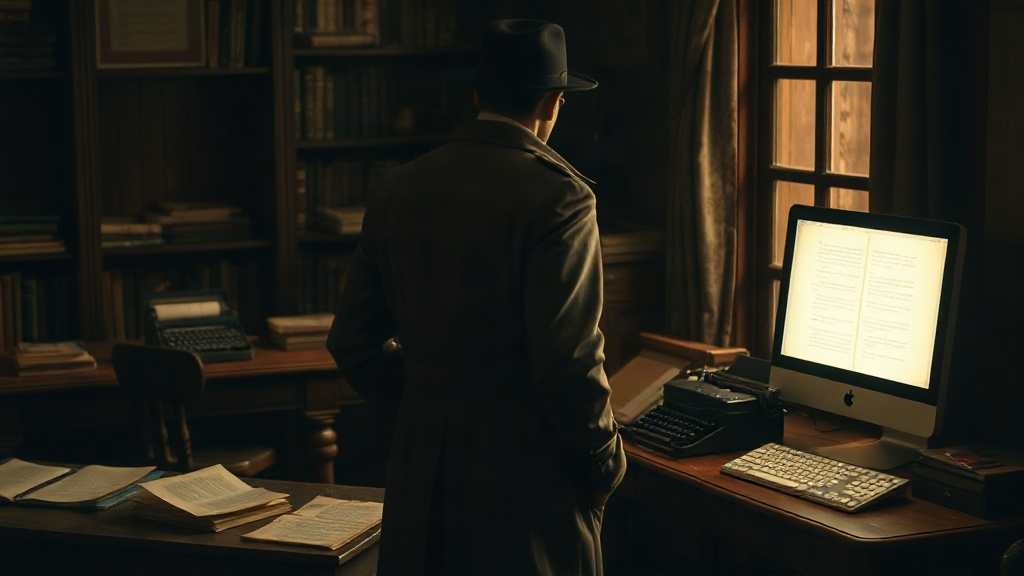
In the annals of literary crime, few cases have captivated the publishing world like that of Filippo Bernardini. For years, this soft-spoken Italian man orchestrated a quiet but devastating campaign of literary theft, impersonating editors and agents to swindle hundreds of unpublished manuscripts from unsuspecting authors. When he was finally caught and pleaded guilty in 2023, many assumed the saga was over. But recent whispers suggest that Bernardini, or someone mimicking his methods, may be at it again. The question on everyone's mind: is the manuscript thief back?
The Rise and Fall of a Literary Impostor
Filippo Bernardini was not your typical criminal. Armed with an encyclopedic knowledge of the publishing industry and a knack for mimicry, he spent years posing as literary agents and editors from prestigious houses like Penguin Random House and Simon & Schuster. His strategy was simple yet effective: he would email authors and agents using subtly altered domain names, requesting manuscripts under the guise of considering them for publication. Once he had the files, he vanished, leaving a trail of confusion and heartbreak.
His victims included celebrated authors like Margaret Atwood and Sally Rooney, whose unpublished works were among the hundreds he acquired. The motive? Not financial gain, as far as anyone could tell. Bernardini seemed driven by a obsessive desire to possess these works, to be the first to read them, or perhaps to wield a strange form of power. When the FBI finally arrested him in 2022, the literary world breathed a sigh of relief. In 2023, he pleaded guilty to wire fraud and was sentenced to probation, avoiding prison time. Many hoped that would be the end of it.
New Tricks, Old Ghosts
But the publishing industry is a small, interconnected community, and rumors travel fast. In recent months, agents and authors have reported a resurgence of suspicious emails. The pattern is eerily familiar: polite inquiries about manuscripts, requests for full drafts, and email addresses that are just slightly off. Could Bernardini be back, or is this the work of a copycat?
According to sources who spoke on condition of anonymity, the new schemes are more sophisticated. The perpetrators are using phishing tactics that mimic legitimate publishing workflows, even referencing real projects and deadlines. Some emails appear to come from actual editors, complete with signature lines and logos. The goal, however, remains the same: to obtain unpublished manuscripts. Whether Bernardini himself is behind this is unclear. He has not been charged with any new crimes, and his probation conditions would presumably restrict such activities. Yet the similarities are hard to ignore.
One agent, who asked not to be named, described receiving an email that seemed to come from a well-known editor at a major house. 'The email was perfect,' she said. 'It even had the editor's typical phrasing. But something felt off, so I called the editor directly. She had no idea what I was talking about.' The agent reported the incident to the FBI, but no arrests have been made.
Why This Matters for Authors and Publishers
For authors, unpublished manuscripts are their lifeblood. They represent years of work, hopes, and dreams. Having them stolen is not just a violation of privacy; it's a theft of intellectual property that can have lasting professional consequences. If a manuscript leaks, it can jeopardize book deals, film options, and the element of surprise that publishers rely on for marketing. In an industry where trust is paramount, these schemes erode the very foundation of how business is done.
Publishers, too, are on edge. Their reputations are at stake if their names are used in these scams. They have ramped up security measures, training staff to recognize phishing attempts and urging authors to verify requests. But the decentralized nature of publishing, with its many freelancers and small presses, makes it a vulnerable target.
Moreover, the case highlights a broader issue: the lack of robust cybersecurity in the creative industries. While financial institutions have long invested in protecting data, publishing has lagged behind. This incident serves as a wake-up call. Authors and agents must now treat their manuscripts with the same caution they would their bank account details.
Is Bernardini Really Back?
It's a tantalizing question, but the evidence is circumstantial. Bernardini's probation terms likely prohibit him from using the internet in ways that could facilitate fraud, and any violation could send him to prison. He has kept a low profile since his sentencing, and there's no public indication that he's resumed his old habits. However, the new wave of scams bears his signature: the polite persistence, the insider knowledge, the targeting of high-profile works.
Some speculate that Bernardini never really stopped; he just got better at hiding. Others believe that his methods have been adopted by others who saw his success and decided to try their luck. The FBI has not commented on whether Bernardini is a suspect in the recent incidents. Without concrete evidence, the question remains open.
What is clear is that the publishing industry cannot afford to be complacent. Whether or not Bernardini is behind these new schemes, the vulnerabilities he exploited still exist. The only way to protect against future attacks is to learn from the past and strengthen defenses.
Protecting Your Manuscript: Practical Steps
For authors, there are several steps you can take to safeguard your work:
- Verify identities: Always confirm that an editor or agent is who they say they are. Call the publisher's main line, not the number provided in the email.
- Use secure sharing: When sending manuscripts, use password-protected files or secure platforms like Dropbox with limited access.
- Trust your instincts: If an email seems too good to be true or has a sense of urgency, it probably is a scam.
- Report suspicious activity: Inform the FBI's Internet Crime Complaint Center (IC3) and warn others in your network.
- Educate yourself: Stay informed about common phishing tactics and share this knowledge with fellow writers.
Agents and publishers should also implement two-factor authentication, regularly update security software, and conduct phishing drills. The cost of prevention is far less than the cost of a breach.
Frequently Asked Questions
What exactly did Filippo Bernardini do?
Bernardini impersonated literary agents and editors to trick authors and publishers into sending him unpublished manuscripts. He stole hundreds of works over several years before being caught and pleading guilty to wire fraud in 2023.
Is Filippo Bernardini currently in prison?
No, he was sentenced to probation and avoided prison time. He is not currently incarcerated, but his probation may restrict his activities.
How can I tell if an email requesting my manuscript is legitimate?
Check the sender's email address carefully for slight misspellings or unusual domains. If in doubt, contact the publisher directly using a verified phone number or email address you find independently.
What should I do if I suspect my manuscript has been stolen?
Immediately report the incident to the FBI's IC3 and inform your agent or publisher. You may also want to consult a lawyer specializing in intellectual property.
Are there any signs that Bernardini is active again?
There have been reports of new phishing attempts that resemble Bernardini's methods, but no confirmed link to him. The FBI has not named him as a suspect in these recent cases.
The literary world is watching closely. Whether Bernardini is back or not, his legacy serves as a cautionary tale. In an age where digital communication is the norm, the need for vigilance has never been greater. Authors and publishers must work together to protect the creative process from those who would exploit it.