
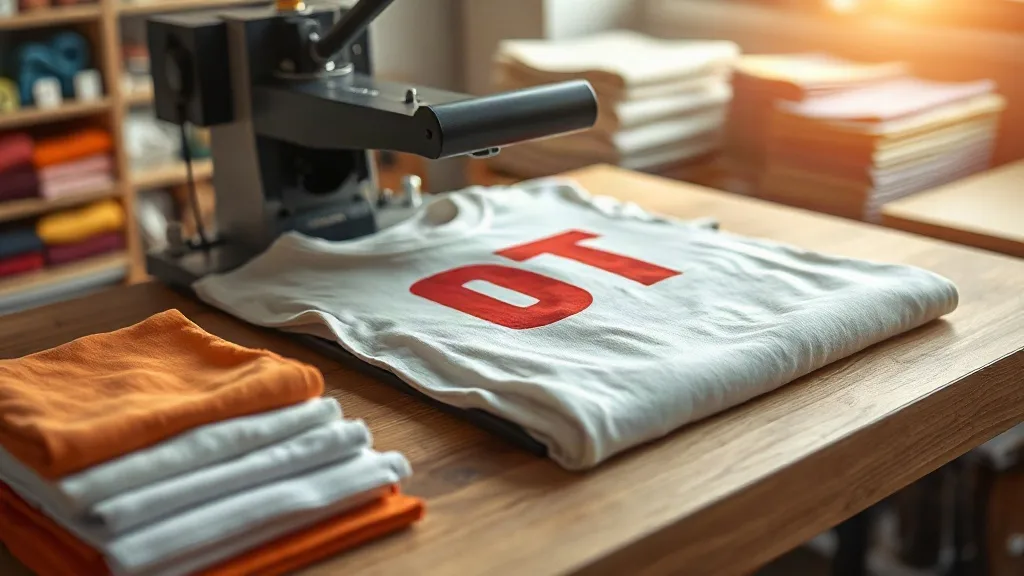
When you first start offering dtf transfers in your print shop, the promise is simple: one transfer type that works on almost any fabric. No more juggling multiple papers, no more rejecting jobs because the garment is 100% polyester or a cotton-poly blend. But the reality is that achieving flawless results across the entire fabric spectrum requires more than just loading a sheet and pressing. It requires understanding how different fibers interact with the adhesive, the ink, and the heat. This guide is your field manual for getting consistent, wash-durable, vibrant prints on everything from lightweight cotton to performance wear.
Why DTF Transfers Are a Game-Changer for Fabric Versatility
Traditional heat transfer vinyl (HTV) and screen printing both have fabric limitations. HTV struggles with stretchy synthetics and high-detail designs, while screen printing requires different inks and setups for different materials. DTF (direct-to-film) printing sidesteps most of these issues because the design is printed onto a special film, dusted with hot-melt adhesive powder, and then heat-pressed onto the fabric. The adhesive bonds with the fibers, and the ink layer sits on top, protected by the film's release agent.
The result is a transfer that can adhere to cotton, polyester, blends, nylon, canvas, and even some leathers. But “can adhere” and “will adhere perfectly” are two different things. The variables that matter most are fabric composition, weave tightness, surface texture, and heat sensitivity. Get those right, and you'll see why so many shops are switching to dtf as their primary decoration method.
Understanding Fabric Types and How They Respond to DTF
100% Cotton: The Easy Winner
Cotton is the most forgiving fabric for DTF transfers. Its natural fibers have a slightly rough surface that gives the adhesive plenty of texture to grab onto. The key is to manage moisture: cotton holds humidity, so pre-pressing is essential to drive out any residual water. Press at 320°F (160°C) for 15 seconds with medium pressure, and you'll get a strong bond. One caveat: dark cotton can sometimes show a faint outline around the transfer if the adhesive powder isn't fully melted. A second press with a Teflon sheet or parchment paper for 5 seconds usually solves it.
Polyester and Blends: Watch the Heat
Polyester is where many shops run into trouble. The fibers are smooth and can be heat-sensitive, especially in performance fabrics with elastane. If you press too hot or too long, the fabric can glaze, shrink, or even melt. For 100% polyester, lower the temperature to 290–300°F (145–150°C) and shorten the press to 10–12 seconds. Use light pressure to avoid flattening the fabric's texture. For cotton-poly blends, you can usually split the difference at 310°F (155°C) for 12–15 seconds. Always test on a scrap piece first, especially with inexpensive blanks that may have inconsistent coatings.
Nylon, Canvas, and Specialty Fabrics
Nylon is notoriously slick, so adhesion can be tricky. A pre-press with a lint roller and a slightly longer dwell time (18–20 seconds) at 300°F (150°C) helps the adhesive penetrate. Canvas and denim have a tight weave that can prevent the adhesive from reaching the fibers; using a higher pressure and a slightly higher temperature (320°F) usually works. For leather and faux leather, use low heat (280°F) and very light pressure to avoid damaging the surface, and always do a peel test after cooling.
Step-by-Step: The Flawless DTF Application Process
- Pre-press the garment: This removes moisture and wrinkles. Press for 5–7 seconds at your target temperature.
- Position the transfer: Place the film with the printed side up (adhesive side down) on the fabric. Use heat-resistant tape if needed.
- Press: Apply medium to firm pressure for the recommended time based on fabric type (see above).
- Cold peel: Wait until the transfer is completely cool before peeling the film. Peeling hot can cause the design to stretch or tear.
- Post-press: Cover with parchment or a Teflon sheet and press for another 5–10 seconds to fully set the adhesive. This step is critical for wash durability.
Troubleshooting Common DTF Issues on Different Fabrics
Transfer Not Sticking
If the transfer lifts at the edges or completely fails to adhere, the most common culprits are insufficient pressure, too low temperature, or a fabric with a coating (like water-repellent finishes). Try increasing pressure first, then temperature in 10°F increments. For coated fabrics, a quick wipe with a lint-free cloth and isopropyl alcohol can help.
Cracking or Peeling After Washing
This usually points to incomplete adhesive activation. Make sure your post-press step is not skipped. Also, check that the fabric was properly pre-pressed. For stretchy fabrics, use a transfer with a stretchable adhesive powder (often labeled as “stretch” or “elastic”). And always wash inside out in cold water and avoid fabric softener, which can degrade the adhesive over time.
Color Fading or Discoloration
If the print looks dull after pressing, you may have overheated the film, causing the ink to cure too fast. Lower the temperature and shorten the press time. On dark fabrics, a white underbase is not needed with DTF, but if you see the fabric color bleeding through, increase the opacity of your design or use a double-layer transfer.
Choosing the Right DTF Transfer for Your Fabric
Not all DTF transfers are created equal. When sourcing, look for transfers that specify compatibility with your target fabrics. Some suppliers offer specialized films for stretch fabrics, others for heavy cottons. If you're new to dtf transfers near me, start with a sample pack that includes a range of fabric types so you can test before committing to a large order.
Also consider the adhesive powder. Standard powder works well for most cottons and blends, but for high-stretch performance wear, a stretchable powder is worth the extra cost. And don't overlook the film itself: thinner films tend to conform better to textured fabrics, while thicker films are more durable for heavy-use items like workwear.
Maximizing Durability and Customer Satisfaction
Flawless prints aren't just about the application; they're about the entire lifecycle. Train your customers on proper care: wait 24 hours before first wash, turn garments inside out, use cold water, and skip the dryer or use low heat. Offering a care card with each order reduces complaints and builds trust.
For your shop, keep a log of fabric types, press settings, and results. Over time, you'll build a reference library that lets you dial in perfect settings for your most common blanks. This is especially valuable if you work with a limited set of suppliers, like Shaka Wear or Smart Blanks, because you can standardize your process and reduce variables.
Frequently Asked Questions
Can DTF transfers be applied to 100% polyester without damaging the fabric?
Yes, but you must use lower heat (around 290–300°F) and shorter press times (10–12 seconds). Always test on a scrap first, as some polyester blends are more heat-sensitive than others.
How do I prevent the transfer from peeling after washing?
Ensure you post-press the transfer for 5–10 seconds after cold peeling. This fully activates the adhesive. Also, wash inside out in cold water and avoid fabric softener.
What's the best way to store DTF transfers before use?
Keep them in a cool, dry place away from direct sunlight. Avoid folding them sharply; store flat or roll them loosely. Use within the recommended shelf life, typically 6–12 months.
Can I use DTF transfers on dark-colored fabrics?
Absolutely. DTF transfers include a white ink layer that provides opacity, so they work on any color. Just ensure your design has enough white underbase if you're using a printer that requires it.
How do I choose the right pressure for different fabrics?
Medium pressure works for most cottons and blends. For tightly woven fabrics like canvas, use firm pressure. For delicate or heat-sensitive fabrics, use light pressure and consider a pressing pillow to avoid seam impressions.