
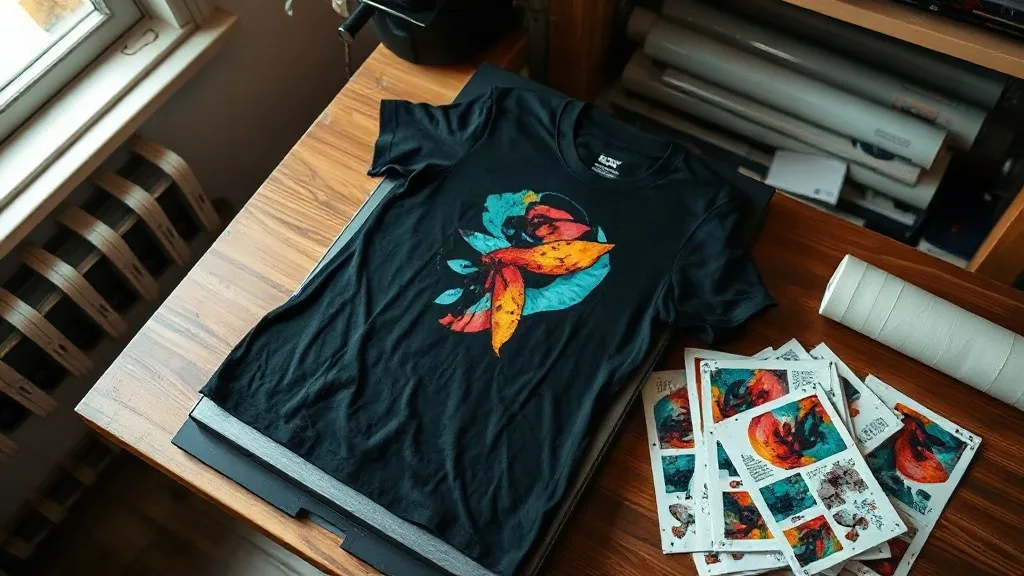
You have a hoodie order due Friday, your regular supplier went quiet, and the search bar is already open: dtf transfers near me. It is a panic-friendly search, and that is exactly why so many people end up with transfers that crack after two washes or colors that look muddy against a black shirt. Buying locally can be the smartest move you make this month, but only if you know what separates a real production shop from someone with a printer in a spare room and a hopeful Instagram page.
This guide is about the vetting process, not the hype. Whether you run a small apparel brand, a print shop adding dtf transfers to your service list, or a one-person operation printing team jerseys on weekends, the questions below will save you real money and a lot of wasted blanks.
Why Local Beats Shipping When Deadlines Are Tight
Ordering dtf transfers from overseas can be cheap per sheet, but the math changes when a deadline moves. A two-week shipping window turns a simple reprint into a lost client. Local pickup or next-day courier removes that risk entirely, and it also means you can inspect a physical sample before committing to a 50-piece run.
There is a second, less obvious benefit. Local suppliers usually accept smaller minimums because they are not amortizing international freight. If you need eight transfers for a test drop, a nearby shop is far more likely to say yes than a bulk exporter who wants 100 sheets minimum.
What local does not automatically give you is quality. Geography is not a quality signal. A supplier twenty minutes away can still produce transfers that feel like sandpaper. That is why the checklist matters more than the postcode.
Six Checks Before You Send Money
Treat the first order like a job interview. You are not being difficult; you are protecting your own customers from a bad print.
1. Ask for a physical sample, not a photo
Every supplier has beautiful photos. Ask for two or three loose transfers mailed or dropped off. Hold them up to the light, check the opacity of the white layer, and look for banding in large solid areas. A good dtf transfer has an even powder coating on the back with no bald patches where the adhesive failed to stick.
2. Press one yourself before ordering more
This is the step most people skip. Press the sample onto the fabric you actually plan to use, not whatever the supplier tested on. Cotton behaves differently from a 50/50 blend, and polyester can show dye migration if the transfer is applied too hot. If the supplier cannot tell you a recommended temperature and time for your specific fabric, that is a warning sign.
3. Wash test, then wash again
One wash proves nothing. Run the pressed garment through three cycles at the temperature your customers will realistically use, inside out, and check the edges. Peeling at the corners usually points to uneven pressure during pressing, but it can also mean the adhesive powder was under-applied at the production stage. Either way, you want to find out on a test shirt, not on a paid order.
4. Check how they handle color profiles
Ask what file format and color space they prefer. A shop that accepts RGB files without comment and prints them straight will give you dull or shifted colors, especially in deep reds and bright greens. A serious supplier will ask about your design intent and may request a CMYK-converted file or offer a proof.
5. Confirm gangsheet options and pricing tiers
Most local shops build gangsheets, where multiple designs are nested onto one long sheet to reduce waste. Ask how they charge: per meter, per sheet, or per design. The per-design price can look attractive until you realize they are padding the layout. A transparent shop will show you the nesting and explain the waste margin.
6. Ask what happens when something goes wrong
Reprint policy is the real test of a supplier. Do they replace defective transfers without argument, or do they blame your press? Ask directly before your first order. A shop confident in its output will answer without flinching.
Reading a Quote Without Getting Fooled
Price per sheet is the least useful number in this business. What matters is cost per wearable garment. A cheap transfer that requires a second press pass because the adhesive did not release cleanly costs you labor, and labor is usually the expensive part.
Build a simple comparison. For each supplier, note the price per transfer, the yield per sheet, the press time, and the failure rate on your test batch. A supplier charging slightly more but delivering a 98 percent success rate will beat a cheaper one with a 15 percent reprint rate every single time. It is worth doing this exercise once with real numbers rather than trusting a gut feeling.
Also watch for hidden costs: minimum order values, setup fees for gangsheet layout, and delivery charges that only appear at checkout. If you are searching dtf transfers near me because you need speed, a surprise three-day layout queue defeats the purpose.
Matching Transfer Type to the Garment
Not every job suits the same approach. A few practical notes from everyday use:
- Heavy cotton tees: the most forgiving surface. Almost any well-produced transfer will bond cleanly here.
- Polyester performance wear: lower press temperatures and shorter dwell times reduce dye migration. Ask the supplier for their recommended settings on synthetics specifically.
- Stretch fabrics: the transfer needs to flex with the garment. Test by stretching the pressed area firmly; if the print cracks along the design edges, it will not survive real wear.
- Dark garments: the white underlayer does the heavy lifting. Thin white layers look grey and washed out. This is where cheap transfers reveal themselves fastest.
Building a Relationship That Pays Off
Once you find a supplier who passes the checks, treat them like a partner rather than a vending machine. Give them consistent, well-prepared files. Order on a predictable schedule so they can slot your gangsheet into their queue. Pay on time. In return, you get priority when a rush job lands, and often a heads-up when they are testing new film or powder that might improve your output.
Small print shops that thrive are usually the ones with two reliable suppliers rather than one, and a clear idea of which jobs go where. Keep a backup in your contacts even when your main shop is performing well. The week your primary supplier has a printer down is not the week to start researching from scratch.
Frequently Asked Questions
How do I find a reputable DTF supplier close to me?
Start with local print and apparel trade groups, then ask other shop owners who they use. A supplier recommended by someone who prints daily is worth more than any search result. Once you have two or three names, request samples and run the press and wash tests before placing a real order.
Is it cheaper to order DTF transfers locally or online?
Per-sheet prices are usually lower online, especially from bulk exporters. Once you factor in shipping time, reprint risk, and minimum order quantities, local often wins for small and mid-sized runs. For very large, planned-ahead orders, online bulk can still make sense.
How long should a DTF transfer last on a shirt?
With correct pressing and normal washing inside out, a quality transfer should hold up for dozens of wash cycles without noticeable fading or edge lifting. Longevity depends more on the pressing technique and fabric match than on the transfer alone, so test your own process rather than assuming a number.
Can I press DTF transfers with a home iron?
You can, but results are inconsistent. A heat press delivers even pressure and precise temperature, which is what the adhesive needs to bond properly. If you are selling garments to customers, a proper press is not optional equipment; it is the difference between a product and a complaint.
What file format should I send to a DTF printer?
Transparent PNG files at 300 DPI are the safest default, with vector files preferred for text-heavy designs. Always ask the specific supplier, because their RIP software and color workflow determine what converts cleanly on their end.