
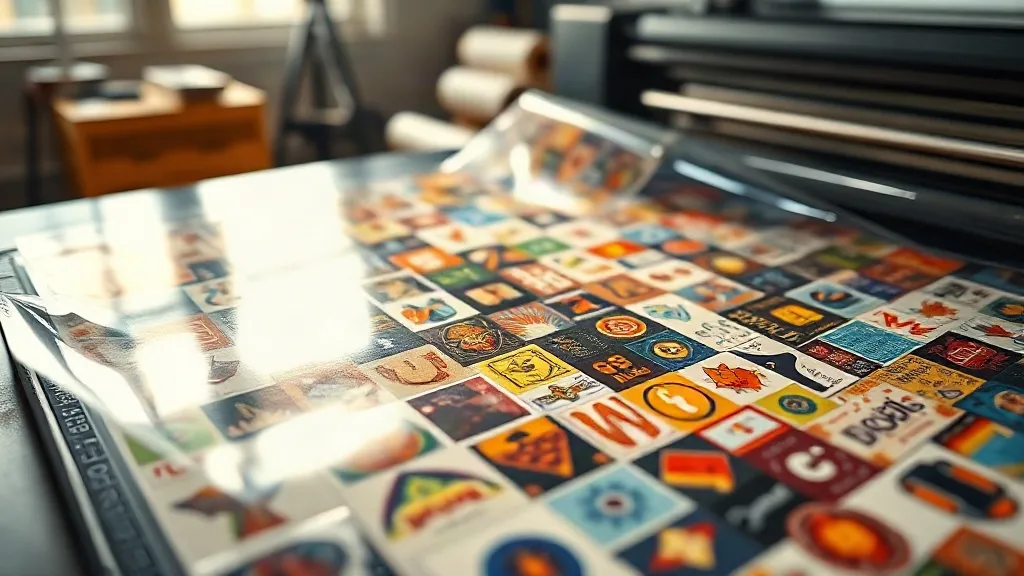
If you run a print shop, you've probably heard about DTF Gangsheet printing. It's the method that lets you arrange multiple designs on a single sheet, maximizing efficiency and minimizing waste. But mastering it requires more than just loading a file and hitting print. In this guide, we'll dive deep into the art and science of DTF gangsheets, sharing practical tips and insights that can transform your workflow, reduce costs, and deliver the flawless prints your customers expect.
What Exactly Is a DTF Gangsheet?
A DTF (Direct-to-Film) gangsheet is a large sheet of transfer film populated with multiple designs, nested together to use as much of the printable area as possible. Instead of printing each design individually, you gang them up, hence the name. This approach is a game-changer for shops that handle a high volume of small to medium-sized orders. It slashes film waste, reduces ink consumption, and speeds up the production process. But to reap these benefits, you need to understand the nuances of gangsheet creation and printing.
The Core Components of a Gangsheet
Every gangsheet consists of several layers: the film itself, a release coating, the printed design layer (ink), and the adhesive powder that bonds the ink to the fabric. Each component plays a critical role in the final print quality. The film must be compatible with your printer and able to withstand the heat of the curing process. The release coating ensures the ink transfers cleanly. The ink must be formulated for DTF, and the powder must be applied evenly to create a durable, flexible bond.
Why Gangsheets Matter for Your Bottom Line
Let's talk numbers. Film and ink are among your biggest consumable costs. By ganging designs, you can significantly reduce the amount of film used per design. For example, if you print ten small logos individually, you might use ten separate sheets. But by nesting them on one sheet, you could use just one sheet, saving nine. That's a 90% reduction in film for that job. Over time, these savings add up, directly improving your profit margins. Additionally, gangsheets streamline the printing process: one print job instead of ten means less setup time, less machine wear, and faster turnaround.
Designing a Gangsheet for Maximum Efficiency
Creating a gangsheet is both an art and a science. The goal is to pack designs as tightly as possible without compromising print quality or making cutting a nightmare. Here are some strategies to optimize your layout.
Nesting Techniques
Nesting is the process of arranging designs to minimize empty space. Start with the largest designs and fill gaps with smaller ones. Rotate designs if necessary to fit them into odd-shaped spaces. Many RIP software programs have automatic nesting features, but manual adjustment often yields better results. Keep in mind that designs need a small margin (typically 0.1 to 0.2 inches) around them to allow for clean cutting and to prevent ink from bleeding onto adjacent designs.
Grouping by Color and Complexity
If you're printing multiple designs with similar color profiles, group them together on the same sheet. This reduces ink changes and ensures consistent color reproduction. Similarly, group designs with similar complexity (e.g., all simple text-based logos) to optimize print settings. However, avoid grouping designs that require different white ink laydowns or special effects, as this can complicate the print process.
Using a Gangsheet Builder
Manual layout can be tedious and error-prone. That's where a DTF Gangsheet builder comes in. These tools let you upload multiple designs, automatically nest them, and calculate the optimal sheet size. They also allow you to add registration marks for easier cutting and ensure proper spacing. Investing in a good gangsheet builder can save hours of prep time and reduce costly mistakes.
Choosing the Right Supplies for Flawless Prints
The quality of your gangsheet print depends heavily on the supplies you use. Not all films, inks, and powders are created equal. Here's what to look for.
DTF Film
Choose a film that is specifically designed for DTF printing. It should have a consistent release coating and be compatible with your printer's ink. Cold-peel films are popular because they allow for faster handling, but hot-peel films can offer better adhesion on some fabrics. Always test a new film with your setup to ensure it meets your quality standards.
DTF Inks
Use high-quality DTF inks that are formulated for your printer. Cheap inks may clog printheads and produce dull or faded prints. Also, ensure that your white ink is opaque enough to provide a solid base for colors, especially on dark garments. Regularly shake white ink cartridges to prevent settling.
Adhesive Powder
The powder is what makes the transfer stick to the fabric. It should be fine and consistent. Apply it evenly using a powder shaker or an automated powder application unit. Too much powder can lead to a stiff, crusty feel, while too little results in poor wash durability. Aim for a light, even coating that covers the ink completely.
Troubleshooting Common Gangsheet Issues
Even with the best supplies and techniques, problems can arise. Here are some common issues and how to fix them.
Ink Smudging or Smearing
This often happens if the film is not completely dry before powdering or if too much ink is laid down. Ensure your printer's settings are correct for the film you're using. Reduce ink density if necessary, and allow the print to dry for a few seconds before applying powder.
Poor Adhesion After Wash
If the transfer peels or cracks after washing, it's usually due to insufficient powder, incorrect pressing parameters, or washing the garment inside out. Make sure you apply enough powder and cure it properly. Follow the fabric's care instructions and always press with the recommended temperature, pressure, and time.
Film Jams or Misfeeds
Film jams can disrupt your workflow. Check that the film is loaded correctly and that the printer's rollers are clean. Humidity can cause film to curl, so store it in a dry environment. Also, ensure the film is compatible with your printer model.
Maximizing Profit with Gangsheets
Beyond the direct cost savings, gangsheets can open up new revenue streams. For instance, you can offer small batch custom prints at competitive prices because your production costs are lower. You can also create pre-designed gangsheets for popular themes (e.g., holidays, sports) and sell them as ready-to-press transfers. This turns your gangsheet expertise into a product itself.
Frequently Asked Questions
What is the ideal sheet size for a DTF gangsheet?
The ideal size depends on your printer's maximum print width and the volume of your orders. Common widths are 13, 17, and 24 inches. Choose a size that accommodates your typical design mix without excessive waste. Many shops use 24-inch wide rolls for flexibility.
Can I mix different designs with varying complexities on one gangsheet?
Yes, but it requires careful planning. Group designs with similar ink coverage and white ink requirements to avoid compromising quality. If you must mix, place simpler designs at the edges where slight variations are less noticeable.
How do I prevent color shifting when printing multiple designs on a gangsheet?
Color shifting can occur if the printer's ink consistency varies across the sheet. Use a consistent color profile and ensure your printer is well-maintained. Also, group designs with similar color palettes together to minimize changes.
What's the best way to cut a gangsheet after printing?
Use a sharp blade or a rotary cutter with a straight edge. For intricate designs, a cutting plotter with registration marks can automate the process. Always cut on a clean, flat surface and apply even pressure.
How long can I store a printed gangsheet before use?
Store gangsheets in a cool, dry place away from direct sunlight. Properly stored, they can last several weeks. However, for best results, use them within a few days of printing, as the powder can absorb moisture over time.
Mastering the DTF gangsheet is a journey, but with the right knowledge and tools, you can achieve flawless prints that keep customers coming back. Start by optimizing your layouts, investing in quality supplies, and troubleshooting proactively. Your bottom line will thank you.