
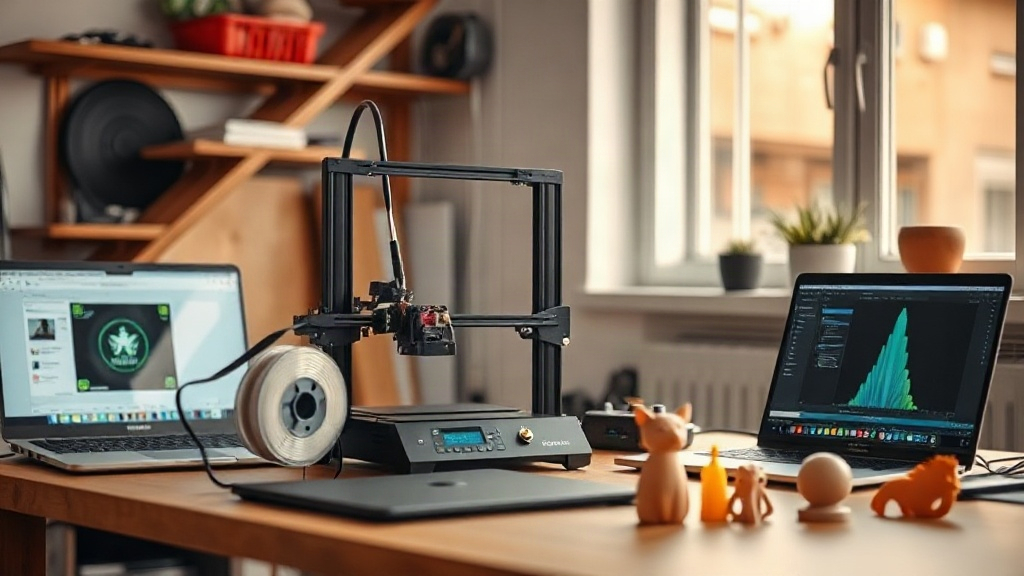
Walk through any hobbyist forum or maker space in 2026 and you will notice something different about the conversation. A decade ago, the talk was dominated by troubleshooting, clogged nozzles, and the sheer novelty of printing a plastic trinket at home. Today, the machines have matured, the software has become friendlier, and the price of entry has dropped in ways that would have seemed unlikely not long ago. Yet the central question has not disappeared. If anything, it has become more complicated, because capability and necessity are not the same thing.
The short answer is that a 3D printer is worth buying if you have a recurring need for custom physical objects and the patience to learn a modest new skill. The longer answer involves understanding what has changed, what has not, and where the real costs and rewards sit.
What Has Actually Changed by 2026
The biggest shift is not in any single feature but in the overall reliability of the hardware. Printers that once required constant calibration now ship with automatic bed leveling, filament runout sensors, and enclosed chambers that manage temperature more consistently. This matters because the most common reason people abandoned the hobby in earlier years was not lack of interest but the endless fiddling required to get a single clean print.
Filament quality has improved as well. PLA, PETG, and ASA blends are more consistent, less prone to moisture damage, and available in a wider range of colors and properties. For someone who wants to print functional parts rather than decorative objects, this reliability is the difference between a tool and a toy.
Software has followed a similar path. Slicers now offer preset profiles for popular printers and materials, and many models include remote monitoring so you can check on a print from your phone. The learning curve has flattened, though it has not vanished entirely.
The Real Cost of Ownership
Buying the printer is the easy part. The ongoing expenses are where budgets often surprise people. Filament, replacement nozzles, build plates, and occasional failed prints add up over time. A spool of decent filament costs money, and a project that fails halfway through wastes both material and electricity.
There is also the question of space and ventilation. Even the cleanest printers emit some fumes, and some materials require better airflow than a spare bedroom can provide. If you live in a small apartment, this is a genuine constraint rather than a minor inconvenience.
- Upfront hardware cost, which ranges widely depending on size and features
- Ongoing filament and parts expenses
- Electricity use during long prints
- Space and ventilation requirements
- Time spent learning design and troubleshooting
When you add these together, the true cost of a first printer is often higher than the sticker price suggests. That does not make it a bad deal, but it does mean the decision should be based on realistic use rather than enthusiasm alone.
Who Gets the Most Value
Certain groups consistently report that their printers pay for themselves. People who repair appliances, build custom enclosures for electronics, or prototype mechanical parts often find that a single project justifies the purchase. Instead of ordering a replacement bracket and waiting a week for shipping, they design and print it in an afternoon.
Educators and parents also find value, though the benefit is less about cost savings and more about learning. A printer in a classroom turns abstract geometry or engineering concepts into something students can hold. That kind of engagement is difficult to price.
On the other hand, people who buy a printer mainly because it looks interesting often find it gathering dust within a few months. The novelty fades faster than the practical need appears. If you cannot name three things you want to make in the first month, that is a warning sign.
When a Printer Makes Sense
It makes sense when you have a steady stream of small, specific problems that a custom part would solve. It makes sense when you enjoy designing or tinkering as a hobby in its own right. It makes sense when you have the space, the ventilation, and the willingness to learn.
When It Probably Does Not
It probably does not make sense if your only goal is to save money on household items. Mass-produced plastic goods are almost always cheaper than printing them yourself once you factor in time and material. It also does not make sense if you need perfect, production-grade parts with tight tolerances, since desktop printers still have limits.
The Learning Curve Is Real but Manageable
New owners should expect a few weeks of trial and error. Prints will fail. Settings will need adjustment. The first layer will sometimes refuse to stick. This is normal, and it is not a sign that you bought the wrong machine. The community around 3D printing is generous with advice, and most problems have well-documented solutions.
The skills you pick up along the way, such as basic 3D modeling and an understanding of material properties, tend to be useful beyond the printer itself. Many people find that the learning process is a large part of the appeal.
Alternatives Worth Considering
Before buying, it is worth checking whether a local library, maker space, or print service can meet your needs. For occasional projects, paying per print is often cheaper and avoids the maintenance burden. Online printing services have also become faster and more affordable, which makes outsourcing a realistic option for one-off parts.
That said, there is a real difference between having a printer on your desk and waiting for a service to ship something. The ability to iterate quickly, adjusting a design and reprinting within hours, is something no external service can fully replicate.
Frequently Asked Questions
Is a 3D printer a good investment for a beginner in 2026?
It can be, provided you go in with realistic expectations. Beginners should start with a well-supported model that has automatic calibration and a large community. The investment is less about money and more about time, since the first month is largely spent learning.
How much does it cost to run a 3D printer over a year?
Costs vary with usage, but most hobbyists spend more on filament and replacement parts than on electricity. A moderate user might go through several spools a year, plus occasional nozzles and build plates. Heavy users naturally spend more.
Can a 3D printer replace buying household items?
Rarely in a cost-effective way. Simple plastic items are cheap to buy and expensive in time to print. The printer shines when the item you need does not exist commercially or must be customized to fit a specific space or purpose.
Do I need to know 3D modeling to use a printer?
Not strictly. Thousands of free models are available online, and printing those requires no design skills. However, learning basic modeling dramatically expands what you can do and is often what turns a printer from a novelty into a genuinely useful tool.
What is the biggest mistake new buyers make?
Buying based on specifications rather than actual need. A larger, faster, more expensive printer does not help if you never use it. Matching the machine to the projects you realistically plan to make is far more important than chasing the best numbers on paper.
So, Is It Worth It?
The honest answer is that a 3D printer is worth buying for some people and a poor use of money for others, and the difference rarely comes down to the machine itself. It comes down to whether you have a genuine reason to make things. If you do, the technology in 2026 is more than ready to meet you. If you do not, no amount of improved hardware will change that.
For those on the fence, the most sensible approach is to start small. Try a print service, borrow time at a maker space, or begin with an entry-level model. The goal is not to own a printer but to solve problems and make things you care about. The printer is only the means.